ESC

What are you looking for?

ESC

What are you looking for?

Shopping cart

Your favorites

You have not yet added any recipe to your favorites list.

Browse recipes

Schedule your 15-minute demo now

We’ll tailor your demo to your immediate needs and answer all your questions. Get ready to see how it works!

0
0
×

School E-Shop

Smart Rules for School Devices

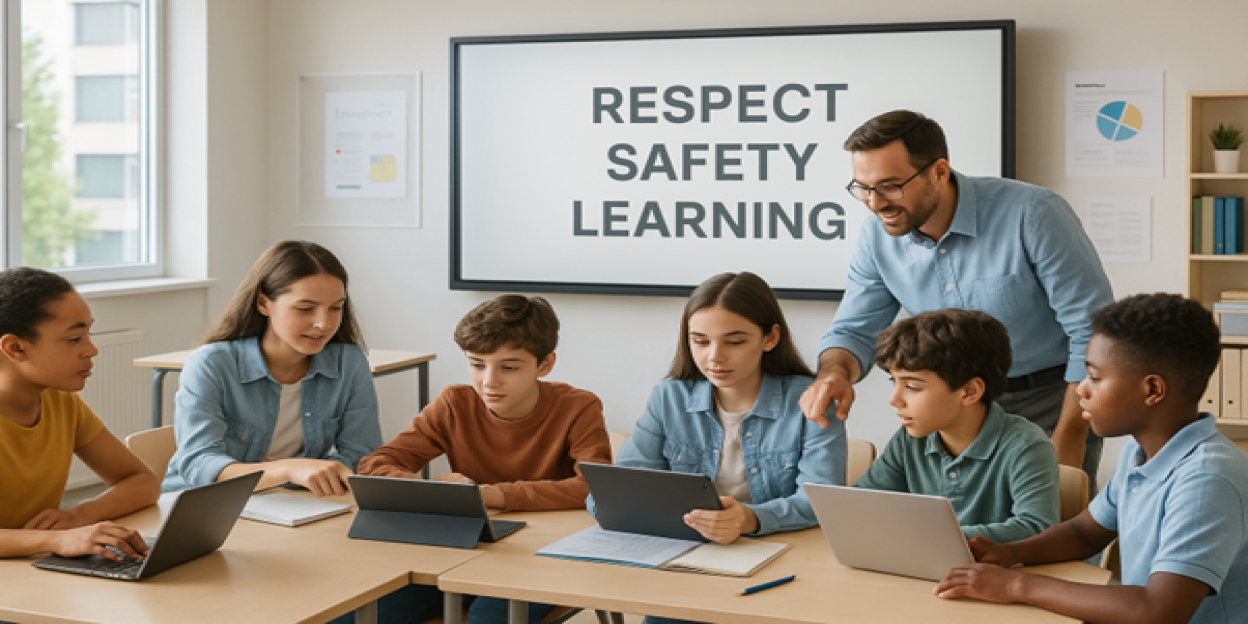
The presence of smartphones, tablets, and laptops in schools is no longer the exception—it’s the norm. When guided well, these devices can support collaboration, creativity, and personalized learning. Without clear boundaries, however, they can lead to distraction, cyberbullying, and safety risks. This is why every school needs a clear, practical policy for the use of electronic devices.

A strong device policy starts with clear goals and expectations. School leaders should define why technology is being used in the first place: Is it to support research, interactive lessons, digital assessments, or communication with teachers? The policy should state which devices are allowed (school-owned, BYOD, or both), where they may be used (classroom, library, corridors), and at what times (lesson hours vs. breaks). It should also clarify whether devices are strictly for educational use or if limited personal use is allowed under supervision.

Next, schools must develop guidelines for responsible and safe use. This includes expected online behavior, respect for others, and rules around messaging, photography, and social media on campus. The policy should clearly prohibit cyberbullying, sharing inappropriate content, recording staff or students without consent, and accessing unsafe websites. Consequences for misuse need to be age-appropriate, consistent, and clearly communicated to students and parents. Linking the device policy to a broader Digital Citizenship or Acceptable Use Policy helps everyone see the bigger picture of online safety and ethics.

Training and support are essential for making the policy work in real classrooms. Teachers need professional development on integrating devices into lesson plans, managing digital distractions, and using monitoring or learning platforms effectively. Students benefit from regular sessions on digital citizenship—covering privacy, digital footprints, critical thinking about online content, and how to report concerns. Sharing simple guides, posters, or “device rules” checklists in each classroom reinforces these messages.

Finally, monitoring and enforcement must be fair and transparent. Schools can use content filters and basic monitoring tools to restrict access to harmful sites and non-educational platforms during class time. Teachers should feel supported to ask students to close devices, place them in a “phone station,” or switch to offline work when necessary. When rules are broken, responses should follow the documented disciplinary steps, with communication to parents where appropriate.

A well-designed device policy does more than limit misuse—it creates a safe, structured environment where technology genuinely supports learning. By setting clear expectations, teaching responsible use, and consistently enforcing rules, schools help students develop the digital habits they will need for life beyond the classroom.

Review your current device rules and ask—are they clear, consistent, and understood by staff, students, and parents? If not, it’s time to update and strengthen your school’s electronic device policy.

Prev Article
The Long-Term Benefits of Save Food Policies in Schools
Next Article
Key Elements of an Effective School Policy for Electronic Devices

Related to this topic:

rocket-icon rocket-icon rocket-icon

Learn What Makes Schools Truly Safe

Receive safety guides, policy updates, and best practices from global experts.

We care about your Personnel Data. Please check Privacy Policy