ESC

What are you looking for?

ESC

What are you looking for?

Shopping cart

Your favorites

You have not yet added any recipe to your favorites list.

Browse recipes

Schedule your 15-minute demo now

We’ll tailor your demo to your immediate needs and answer all your questions. Get ready to see how it works!

0
0
×

School E-Shop

Why Every School Needs Pest Control

School safety is often associated with CCTV cameras, visitor management, and secure entry points. Yet an equally important, and frequently overlooked, area of safety is pest management. Rodents, cockroaches, ants, mosquitoes, and termites can silently affect student health, contaminate food, and damage buildings—often before anyone notices a visible problem. A clear School Pest Management Policy ensures that these risks are managed systematically, not reactively.

Schools are naturally attractive to pests. Daily food service, snack breaks, lunchboxes, and garbage areas provide constant food sources. Cracks in walls, ceilings, and storage areas create hidden shelters. Moisture around sinks, toilets, and drainage lines offers ideal breeding spots. Without a structured policy, a small issue can quickly grow into an infestation that leads to sickness, allergic reactions, or even temporary classroom closures.

A strong School Pest Management Policy typically includes five core components:

  1. Pest Identification and Prevention
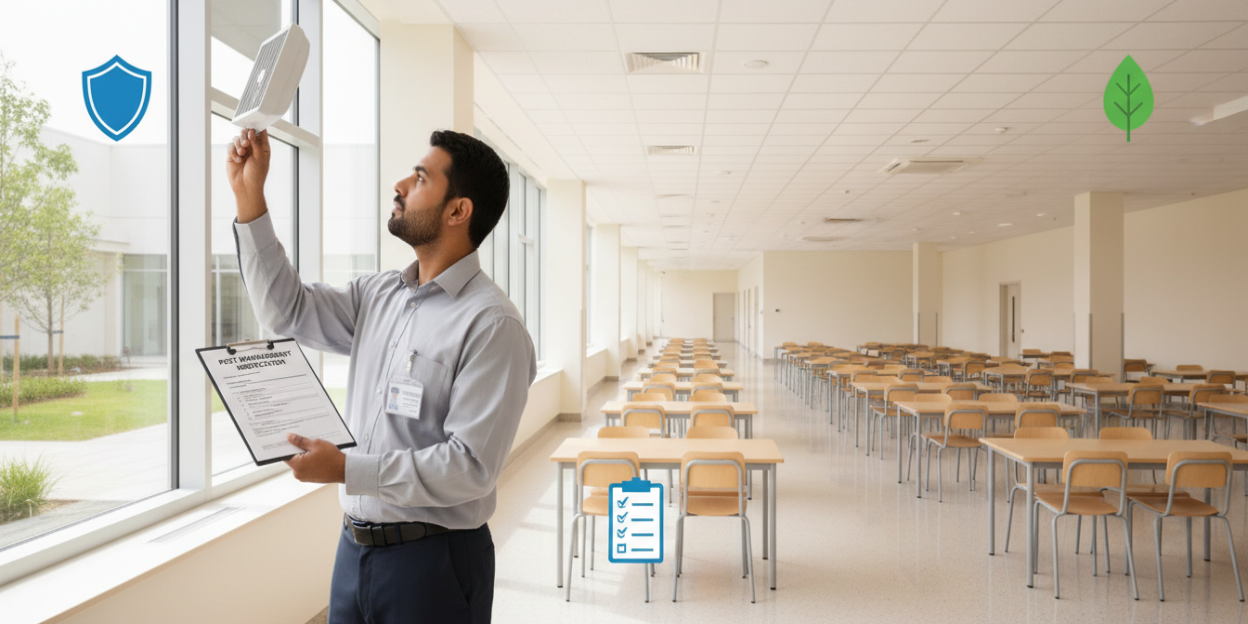
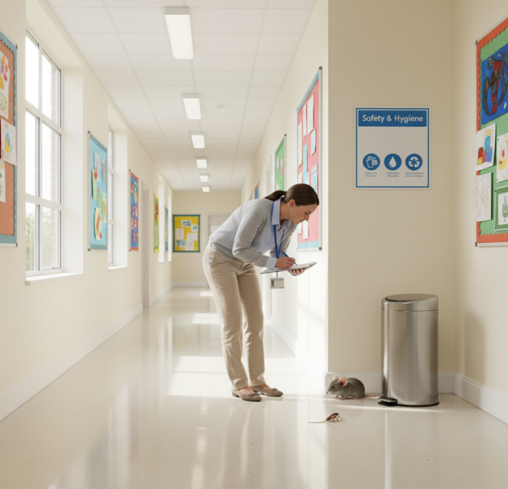
    Early identification is crucial. Staff should be trained to notice droppings, chew marks, nests, or insect trails and report them immediately. Preventive actions—like sealing cracks, fixing leaks, and proper food storage—reduce the chances of pests entering or settling in.
  2. Integrated Pest Management (IPM) Approach
    IPM focuses on long-term prevention rather than routine spraying of chemicals. It combines sanitation, maintenance, monitoring, and targeted treatment. This approach minimizes pesticide use while maximizing safety for children and staff.
  3. Use of Safe Pest Control Products
    When treatment is necessary, schools should prioritize low-toxicity, child-safe products applied by trained professionals. Application should preferably occur after school hours, with clear documentation and communication to school leadership and, when relevant, parents.
  4. Regular Inspections and Monitoring
    Scheduled inspections of kitchens, canteens, storerooms, classrooms, washrooms, and Playgrounds help detect issues at an early stage. Recording findings in a logbook builds a history that can guide better decisions and budgeting.
  5. Education and Awareness Programs
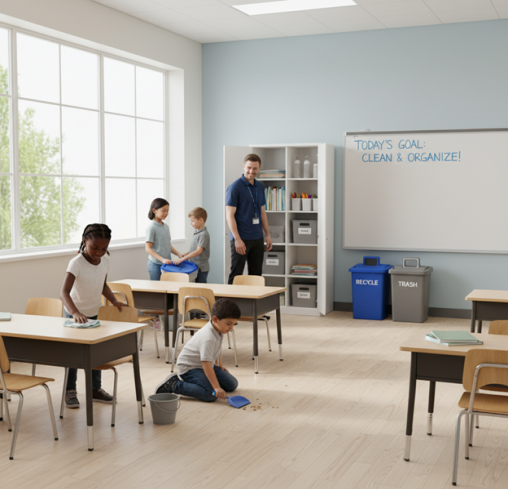
    Students, teachers, cleaning staff, and canteen workers all play a role. Simple practices—throwing waste only in covered bins, wiping spills quickly, avoiding food in classrooms, and keeping cupboards clutter-free—support a pest-free environment.

Ultimately, a School Pest Management Policy is not just about “getting rid of pests”; it is about protecting health, learning time, and infrastructure. By taking a proactive, well-documented approach, schools create cleaner, safer spaces where children can focus on what matters most: learning.

Prev Article
Technology in Fire Safety: How Smart Systems Protect Our Schools
Next Article
How Pests Compromise School Safety & Health and What Schools Must Do

Related to this topic:

rocket-icon rocket-icon rocket-icon

Learn What Makes Schools Truly Safe

Receive safety guides, policy updates, and best practices from global experts.

We care about your Personnel Data. Please check Privacy Policy