ESC

What are you looking for?

ESC

What are you looking for?

Shopping cart

Your favorites

You have not yet added any recipe to your favorites list.

Browse recipes

Schedule your 15-minute demo now

We’ll tailor your demo to your immediate needs and answer all your questions. Get ready to see how it works!

0
0
×

School E-Shop

Safer School Changing Rooms

School changing rooms are often overlooked when planning campus safety, yet they are some of the most sensitive spaces in a school. Students are vulnerable here, and privacy, dignity, and protection must all be carefully balanced. By strengthening policies, supervision, and infrastructure, schools can make changing rooms safer, more respectful environments for everyone.

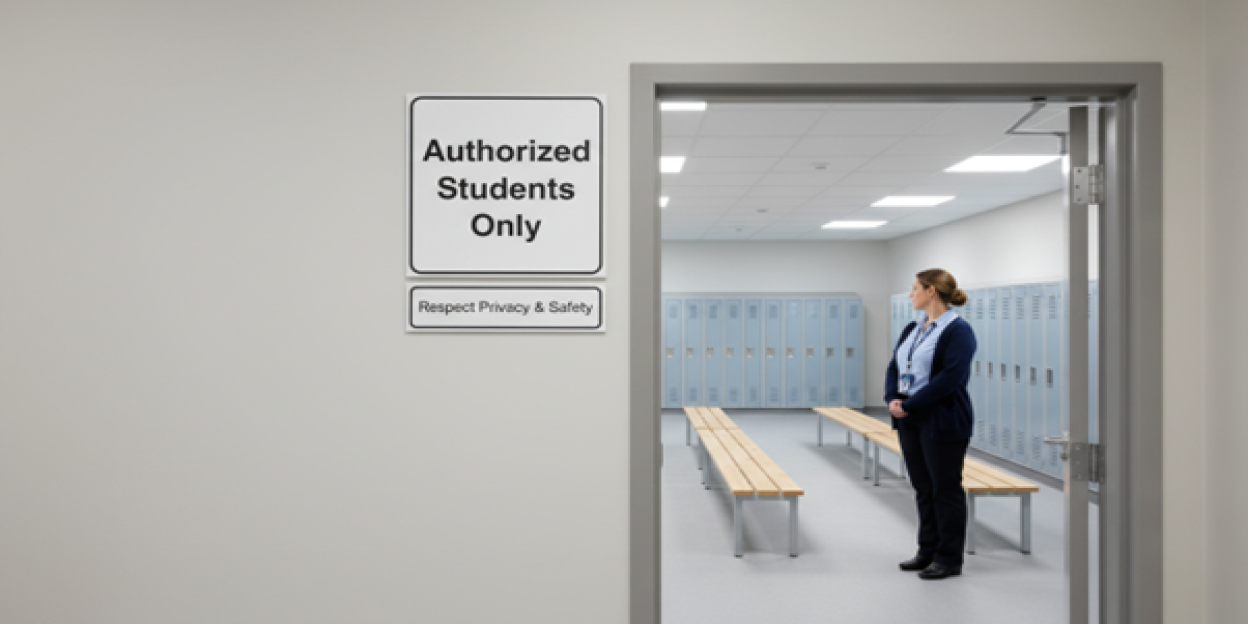
A key starting point is restricting physical access. Changing rooms should never be open walk-through areas. Schools can implement simple but effective controls such as requiring students to obtain staff permission before entering, using a sign-in/sign-out register, or having a staff member positioned near the entrance during high-usage times (before PE, after sports, or during events). Clear signage stating “Authorized Students Only” and “No Entry Without Permission” helps reinforce boundaries. These measures reduce the likelihood of unauthorized entry, misconduct, or harassment.

Locker security is equally important. When students feel their belongings are safe, they can focus on their activities instead of worrying about theft or loss. Schools should provide lockable, well-maintained lockers and encourage students to use personal locks approved by the school. A system that tracks locker allocation and access—such as a roster or digital record—helps ensure only assigned students (and authorized staff, when necessary) can open a locker. Periodic checks for damaged or tampered lockers, along with clear rules on reporting missing items, build trust and accountability.

Effective staff supervision is a powerful deterrent to bullying, teasing, and inappropriate behavior. Staff do not need to invade student privacy to supervise well. Instead, they should:

  • Monitor entrances and corridors leading to changing rooms
  • Conduct periodic, non-intrusive checks while respecting privacy norms
  • Be trained to recognize signs of discomfort, bullying, or exclusion
  • Know how to respond calmly, document incidents, and escalate when needed

Infrastructure also matters. Well-lit, ventilated, and clean changing rooms reduce hidden corners, discourage loitering, and promote student comfort. Working doors, partitions, and curtains support privacy, while strategic design avoids blind spots that could conceal risky behavior.

Together, these measures—controlled access, secure lockers, visible but respectful supervision, and safe infrastructure—build a culture of safety and respect. When students know that adults are attentive, rules are clear, and spaces are well managed, they are more likely to follow expectations and look out for one another.

Schools that invest in secure changing rooms send a strong message: every space on campus, including the most private ones, is designed to protect students’ dignity, safety, and well-being. The next step is to review your current changing room policies, identify gaps, and begin implementing these practical improvements.

Prev Article
Key Elements of an Effective School Policy for Electronic Devices
Next Article
Gender-Sensitive Policies for School Changing Rooms: A Practical Guide for Safer Spaces

Related to this topic:

rocket-icon rocket-icon rocket-icon

Learn What Makes Schools Truly Safe

Receive safety guides, policy updates, and best practices from global experts.

We care about your Personnel Data. Please check Privacy Policy