School safety
remains one of the most searched and debated education topics worldwide in
2025. Headlines often focus on school shootings, but the latest data shows a
more complex picture: bullying, cyberbullying, mental health, hoax threats, and
cybersecurity now sit alongside physical security as top concerns.
Recent analyses show
that bullying and cyberbullying are consistently ranked by teachers as their
number one safety concern, above weapons and active shooters, over the last
three school years RAND. At the same time, incidents of gunfire on
school grounds in the United States reached record or near-record levels in
recent years, with 346 incidents in 2023 and 349 in 2023 according to separate
reports Volt.ai and RAND.
In Canada, a 2025
report noted that around 71% of youth experienced at least one bullying
incident in the past year ArcadianAI. Globally,
schools are also managing a surge in swatting and hoax threats, with
more than 700 swatting incidents recorded at K–12 schools in 2023 alone Motorola Solutions.
At the same time,
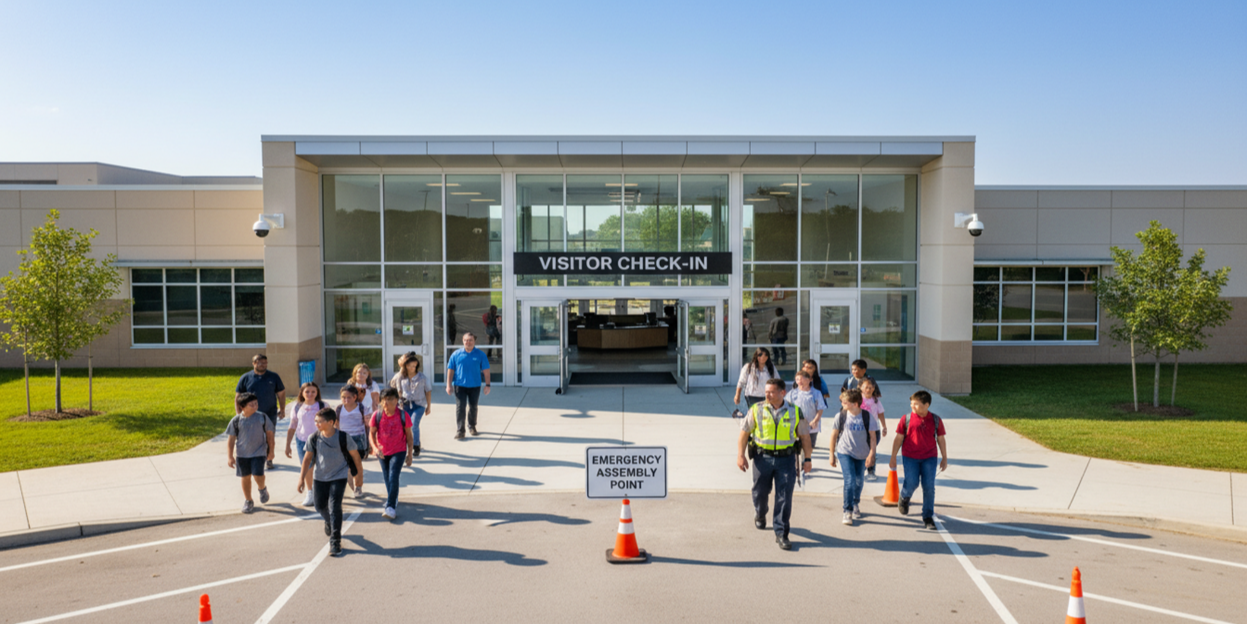
schools have dramatically increased their use of safety infrastructure. Around 93–98%
of U.S. public schools now use visitor sign-in, controlled building access and
CCTV, and most conduct regular lockdown and emergency drills Volt.ai, RAND. Many are adding anonymous tip lines and
student-device monitoring tools, though some investigations have flagged
privacy and data security concerns if these tools are poorly governed AP/RAND summaries in RAND report.
Why this matters for school leaders and parents
The data tells us:
- Catastrophic events (shootings,
bomb threats, swatting) are rare but devastating—and increasing enough to
demand serious planning.
- Everyday harms—bullying,
cyberbullying, hate incidents, and mental health crises—are more common
and are what educators worry about most RAND.
- Technology (AI cameras, device
monitoring, apps) is reshaping school safety, but must be balanced with
student privacy, ethics, and school climate.
Families, staff, and
boards want to know: What does “good” school safety look like in 2025?
Practical, evidence-aligned steps schools can take
- Strengthen a layered safety
model, not just hardware
- Maintain
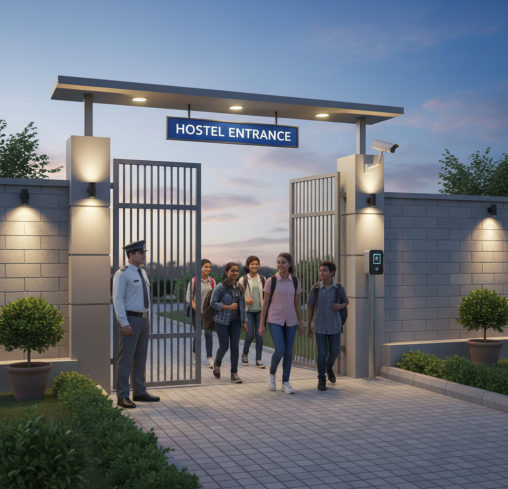
basics: controlled access, visitor management, functioning CCTV, and
clear signage.
- Regularly test
lockdown, evacuation, and reunification procedures with staff and local
responders.
- Review after
every drill: what worked, what confused students, where were delays?
- Prioritize bullying,
cyberbullying, and mental health
- Implement
whole-school anti-bullying programs and Social-Emotional Learning (SEL)
that build empathy and conflict resolution—current research shows these
reduce incidents and improve climate Concordia University Nebraska.
- Create
multiple “safe reporting” pathways: anonymous tip lines, trusted adults,
and digital reporting tools.
- Ensure access
to counselors or mental health partners, particularly for secondary
students, where suicide and self-harm risks are higher RAND.
- Address hoaxes, swatting, and
lockdown fatigue
- Develop a
tiered response plan so not every threat triggers maximum disruption.
- Educate
students and parents about the real legal and emotional consequences of
hoaxes.
- After any
high-stress incident—real or hoax—schedule debriefs and emotional support
for students and staff.
- Use technology—and AI—responsibly
- If deploying
AI-enabled surveillance or device monitoring, involve parents, student
representatives, and legal counsel.
- Publish clear
policies on data use, retention, and access; conduct regular audits for
misuse.
- Focus tech on
well-defined problems: perimeter breaches, weapons detection,
unauthorised access—not on overbroad “student behavior scoring.”
- Make safety part of everyday
school culture
- Train all
staff—not just security—on early warning signs, de-escalation, and
trauma-informed responses.
- Build student
leadership in safety (peer mediators, digital safety ambassadors, student
advisory groups).
- Communicate
regularly with families: what the school is doing, how incidents are
handled, and how parents can help.
For school leaders
and child care administrators, 2025 is not the year to rely on old plans. Use
current data, involve your community, and review your school safety strategy
across people, procedures, environment, and technology.
Parents and
caregivers: ask your school about its safety plan, reporting systems, and
mental health supports. Safety isn’t only about preventing tragedy—it’s about
creating a daily environment where every child feels seen, protected, and ready
to learn.
Prev Article
The Hidden Safety Hero in Schools: How HVAC Protects Health and Learning
Next Article
Energy-Efficient School HVAC: Comfort, Savings, and Sustainability