ESC

What are you looking for?

ESC

What are you looking for?

Shopping cart

Your favorites

You have not yet added any recipe to your favorites list.

Browse recipes

Schedule your 15-minute demo now

We’ll tailor your demo to your immediate needs and answer all your questions. Get ready to see how it works!

0
0
×

School E-Shop

Hygienic Washrooms, Healthier School Communities

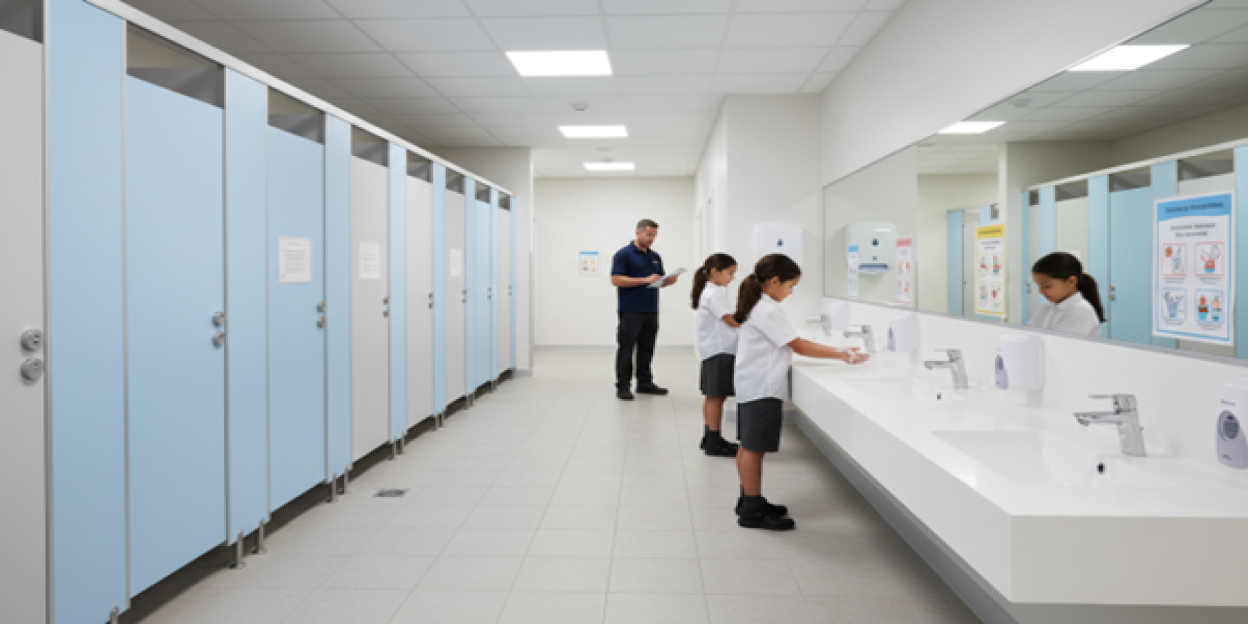
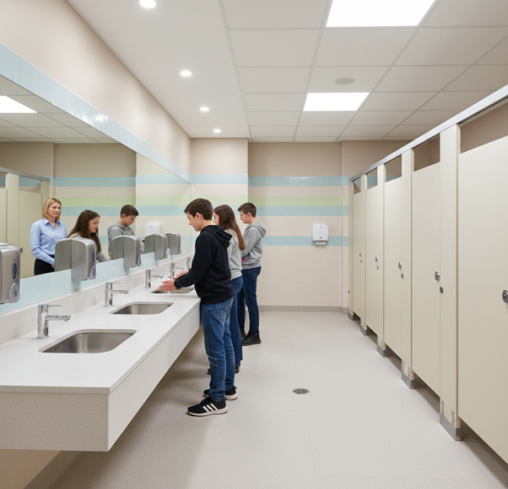
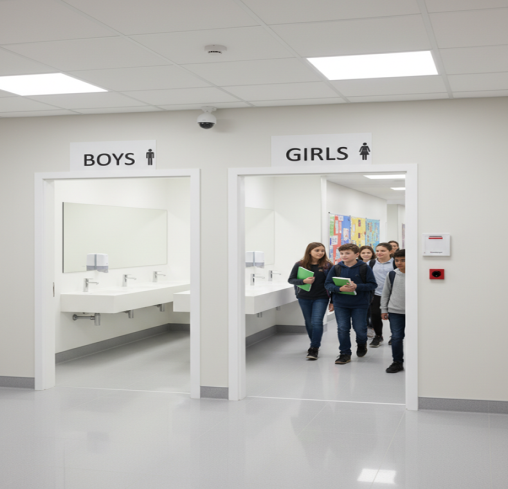
A clean school washroom is more than a comfort issue—it is a core health and safety requirement. Poor sanitation can quickly lead to the spread of infections, unpleasant odors, and rising absenteeism, especially among young children who are still building strong hygiene habits. When washrooms are well-maintained, students feel safer, more comfortable, and more respected in their learning environment.

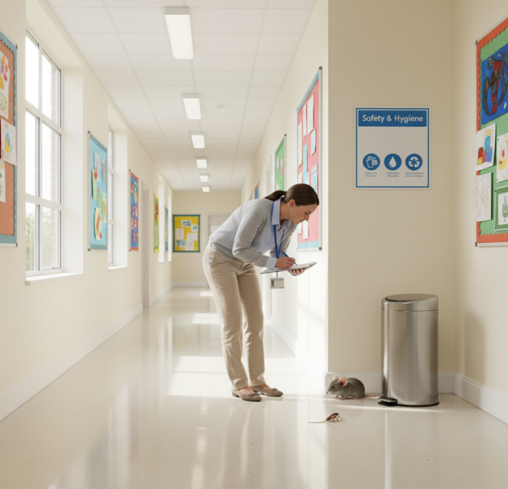
One of the biggest challenges schools face is consistency. Bins overflow, soap runs out, and fixtures break if there is no clear plan and responsibility. Common issues include lack of proper waste disposal, unavailability of soap and hand-drying options, and students not following basic hygiene practices like flushing toilets or washing hands correctly.

To address this, schools should start with structured, regular cleaning schedules. Hiring dedicated cleaning staff for high-use times (before school, mid-day, and after school) helps maintain standards. Simple hygiene checklists—for toilets, floors, sinks, mirrors, and bins—make it easy to monitor what has been cleaned, when, and by whom. These checklists can be displayed discreetly on the washroom door or inside a staff-only area.

Equally important is ensuring essential supplies are always available. Automated or sensor-based soap dispensers and taps can reduce waste and limit touchpoints, lowering the risk of germ transmission. Schools should commit to uninterrupted access to soap, toilet paper, clean water, and functioning hand dryers or paper towels. A simple monitoring routine—such as short supply checks every break—prevents avoidable gaps.

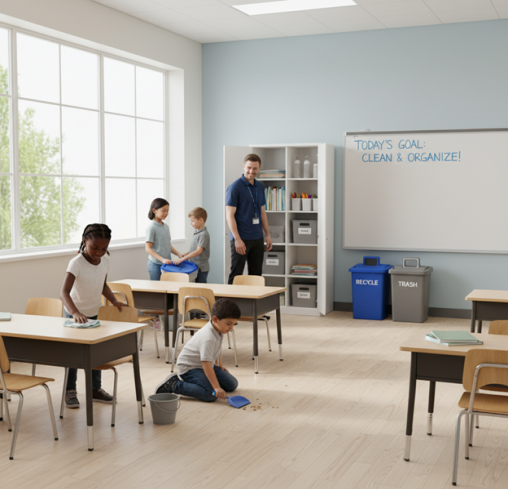
Students themselves must be part of the solution. Student responsibility programs can transform hygiene from a rule into a shared value. Schools can encourage students to report unclean conditions through suggestion boxes, QR code feedback forms, or class monitors. Reward systems—such as “Cleanest Washroom of the Week” or class-based points for responsible use—positively reinforce good habits without shaming.

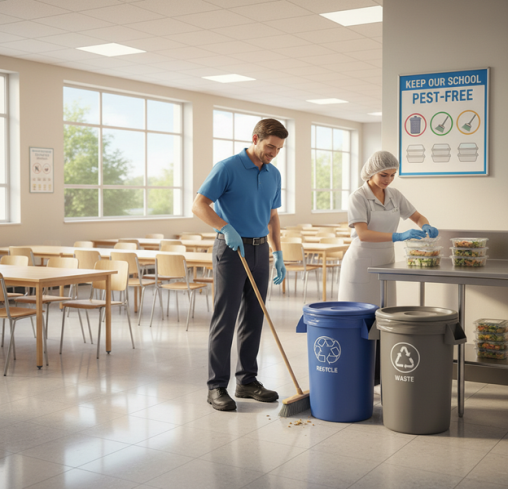
Sustainability can sit alongside hygiene. Eco-friendly practices such as installing low-water or dual-flush toilets, using biodegradable cleaning products, and placing clear recycling or sanitary waste bins support both health and environmental goals. These choices also model responsible citizenship for students.

Global examples show what’s possible. In Singapore, many schools use high-tech washrooms with motion sensors for taps and soap dispensers, helping to maintain hygiene while reducing water and product waste. Such solutions may not be immediately affordable for every school, but they highlight the direction of best practice—touchless, monitored, and efficient systems.

Ultimately, maintaining hygienic school washrooms is a collaborative effort. Leadership must invest in infrastructure and supplies, operations teams must follow clear routines, and students must be guided to use facilities responsibly. When these elements come together, schools create washroom spaces that protect health, uphold dignity, and support a culture of safety every day.

Prev Article
Preventing Bullying and Harassment in School Washrooms: Practical Steps for Safer Spaces
Next Article
Technology and Innovation in School Washroom Safety

Related to this topic:

rocket-icon rocket-icon rocket-icon

Learn What Makes Schools Truly Safe

Receive safety guides, policy updates, and best practices from global experts.

We care about your Personnel Data. Please check Privacy Policy