ESC

What are you looking for?

ESC

What are you looking for?

Shopping cart

Your favorites

You have not yet added any recipe to your favorites list.

Browse recipes

Schedule your 15-minute demo now

We’ll tailor your demo to your immediate needs and answer all your questions. Get ready to see how it works!

0
0
×

School E-Shop

Technology and Missing Student Safety

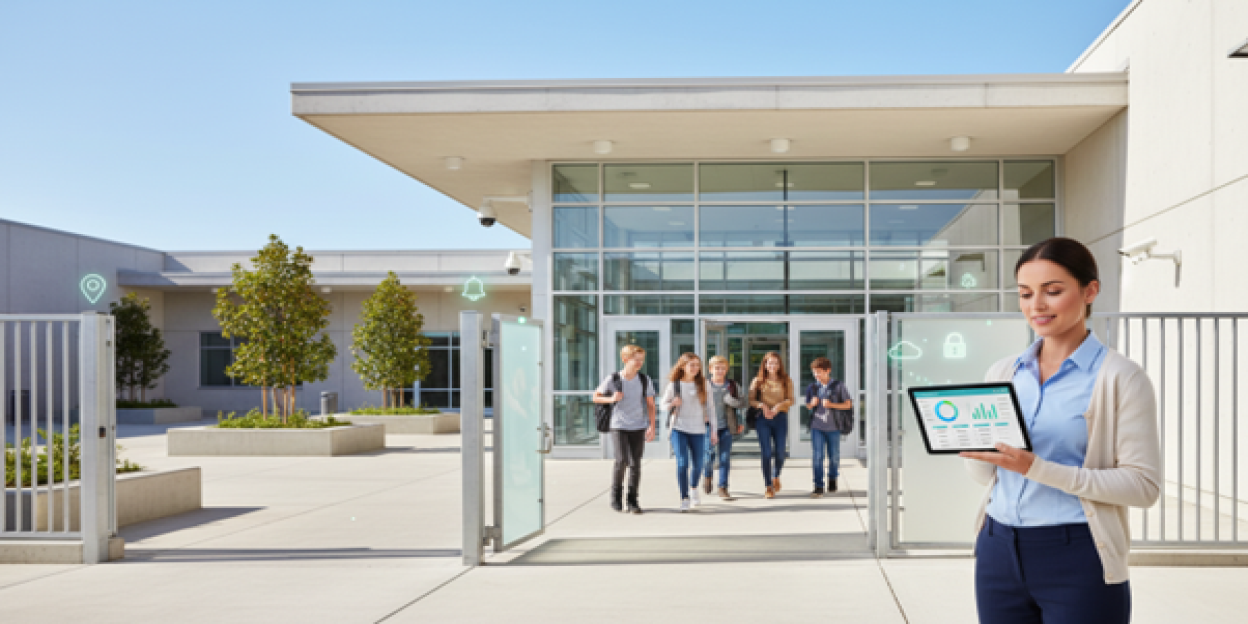
Technology is transforming how schools protect students, and its impact on Missing Student Policies is especially significant. Instead of relying only on manual checks and memory, schools can now use digital systems to prevent incidents, detect risk earlier, and respond faster when a student is unaccounted for.

1. Electronic Attendance Systems: Real-Time Awareness

Traditional roll calls are slow and prone to human error. Electronic attendance—through RFID cards, biometric systems, or app-based check-ins—creates real-time visibility of who is present on campus or on a school bus.

  • Instant alerts can be sent when a student is marked absent without prior information.
  • Patterns of frequent late arrivals or unexplained absences can trigger early intervention.

This immediate awareness helps schools respond quickly before a simple absence turns into a missing student situation.

2. Surveillance Cameras: Tracing Movement, Not Just Watching

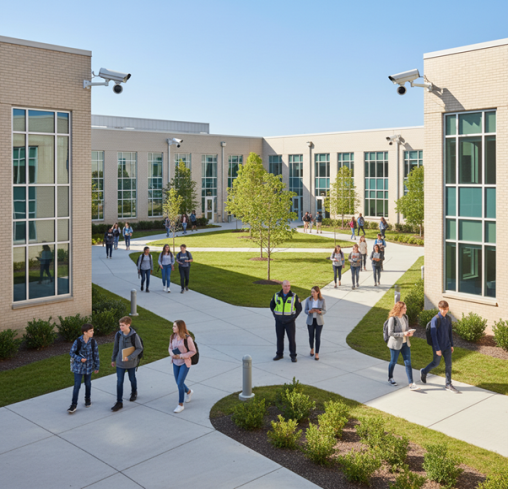
CCTV cameras placed at gates, corridors, stairwells, Playgrounds, and parking areas offer valuable visual records. Modern systems with AI capabilities can:

  • Track the last-seen location of a student within school premises.
  • Flag unusual behaviors, such as loitering near exits or restricted areas.

Reviewed promptly, this footage can guide staff and law enforcement to focus search efforts effectively and save critical time.

3. GPS Tracking: Safer Movement Beyond Campus

GPS-enabled wearables or bus tracking systems are especially useful during field trips and transportation. They allow schools and parents to:

  • Monitor bus routes and arrival times.
  • Confirm that students remain with their assigned group or vehicle.

Used with clear consent and policies, GPS tools add an extra safety layer without replacing responsible supervision.

4. Communication Tools: Fast, Clear, and Coordinated

In a missing student emergency, speed and clarity of information are vital. Technology supports this by:

  • Sending automated alerts via SMS, email, and app notifications to staff and parents.
  • Providing secure channels for staff to share updates and instructions in real time.

This reduces confusion, keeps everyone aligned, and helps ensure that critical information reaches the right people quickly.

5. Data Management Systems: Information Ready When It Matters Most

Centralized digital records of student profiles, photos, medical conditions, and emergency contacts enable quicker, more accurate responses. In a crisis, schools can securely share essential details with law enforcement without delays caused by paperwork or missing files.

Balancing Benefits with Privacy and Cost

While technology offers powerful tools, schools must address data privacy, cybersecurity, and budget constraints. Clear policies, role-based access, regular audits, and transparent communication with parents help maintain trust.

Every school should review its Missing Student Policy and ask:

  • Which processes are still manual and slow?
  • Where can technology improve speed, accuracy, and coordination?

Thoughtfully chosen tools—combined with trained staff and strong procedures—can significantly reduce risk and create a safer environment for every student.

Prev Article
Key Components of an Effective Missing Student Policy
Next Article
Collaborating with Parents to Strengthen Missing Student Policies

Related to this topic:

rocket-icon rocket-icon rocket-icon

Learn What Makes Schools Truly Safe

Receive safety guides, policy updates, and best practices from global experts.

We care about your Personnel Data. Please check Privacy Policy