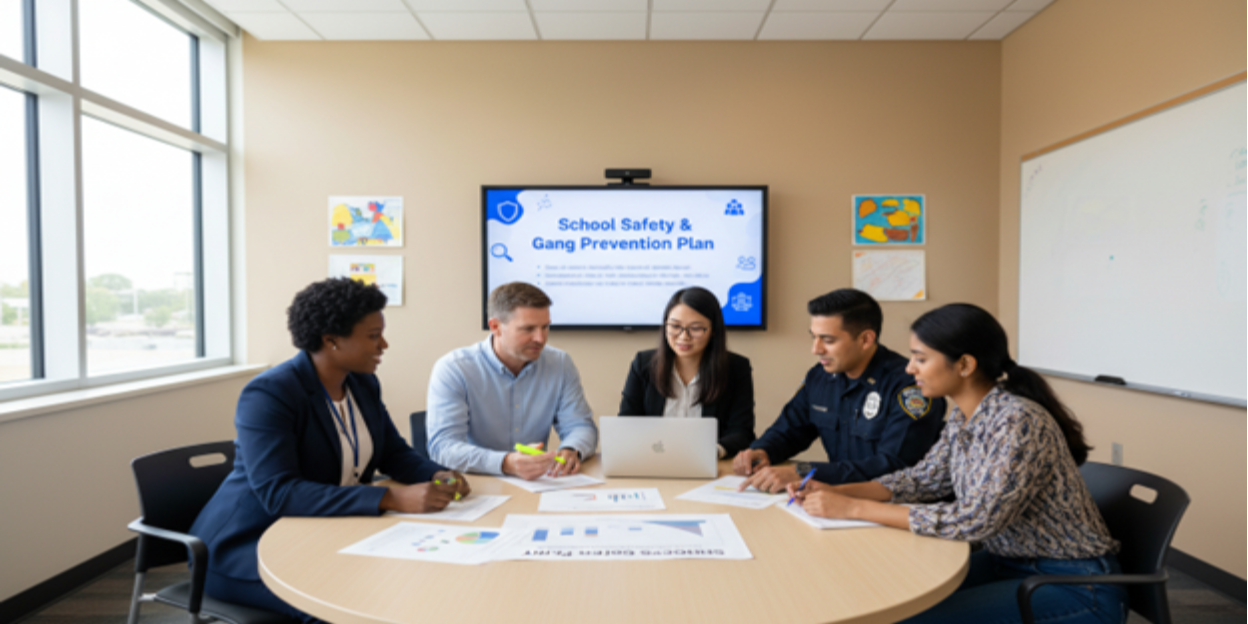
Gang activity, even
at low levels, can quickly erode a school’s sense of safety and belonging. A
single incident of intimidation, recruitment, or violence can ripple across
classrooms, leaving students anxious and distracted. That’s why an effective
gang prevention approach must be proactive, clearly defined, and built on
strong collaboration between schools, families, law enforcement, and community
organizations.
The starting point
is clarity. Schools need a written, well-communicated definition of what
constitutes gang-related behavior on campus. This includes wearing specific
colors or clothing styles tied to known gangs, displaying symbols or graffiti,
using gang-related language or hand signs, recruiting peers, and engaging in
intimidation or threats. When these expectations are spelled out in student
handbooks, staff guidelines, and parent communications, it reduces ambiguity
and supports fair, consistent responses.
Staff training is
essential. Teachers, bus drivers, coaches, office staff, and security personnel
should know the early warning signs of gang involvement and the correct
reporting pathways. Short, focused trainings at the start of the year—refreshed
midyear—help staff feel confident in identifying concerns and intervening
before a situation escalates.
Prevention, however,
goes far beyond enforcement. Strong partnerships with local law enforcement can
help schools understand current gang trends in the community and coordinate a
visible but balanced security presence. At the same time, collaboration with
social services and youth-focused community organizations provides positive
alternatives for students who may be vulnerable to gang recruitment. Mentorship
programs, after-school clubs, sports, arts, and leadership opportunities give
students a sense of identity and belonging without the risks of gang life.
Educational programs
for students are another critical layer. Age-appropriate lessons can explain
the realities of gang involvement—legal consequences, impact on education and
employment, emotional stress, and potential harm to family and community. When
paired with social-emotional learning, conflict resolution, and decision-making
skills, students are better equipped to resist pressure and seek help.
Clear response
procedures are equally important. Schools should outline step-by-step actions
when gang-related incidents occur: documentation, investigation, timely
communication with families, and when to involve law enforcement. Consequences
such as suspension or expulsion must be balanced with support—counseling,
behavioral interventions, and referrals to external agencies where appropriate.
Victims and witnesses should have access to confidential reporting channels,
crisis support, and follow-up counseling.
Finally, effective
gang prevention is never just a “school issue.” Regular information-sharing
meetings with police, community leaders, and youth organizations, as well as
parent education sessions, help align everyone around the same goals and
messages. This coordinated network reduces mixed signals, closes gaps in
support, and sends a consistent message: our community will protect students
and prioritize safe learning environments.
When schools and
communities work together with clear policies, strong relationships, and
supportive programs, they significantly reduce gang influence and create
campuses where students feel seen, protected, and ready to learn.
Prev Article
Preventing Gang Violence in Schools A Practical Guide for Safer Campuses
Next Article
Supporting Students Affected by Gang Involvement A School’s Role