ESC

What are you looking for?

ESC

What are you looking for?

Shopping cart

Your favorites

You have not yet added any recipe to your favorites list.

Browse recipes

Schedule your 15-minute demo now

We’ll tailor your demo to your immediate needs and answer all your questions. Get ready to see how it works!

0
0
×

School E-Shop

Holistic School Emergency Preparedness

Emergency preparedness in schools is not just about reacting to crises; it is a continuous cycle of prevention, response, and recovery. When these three elements work together, schools build a strong safety culture that protects students, staff, and the wider community.

Prevention: Identifying and Reducing Risks

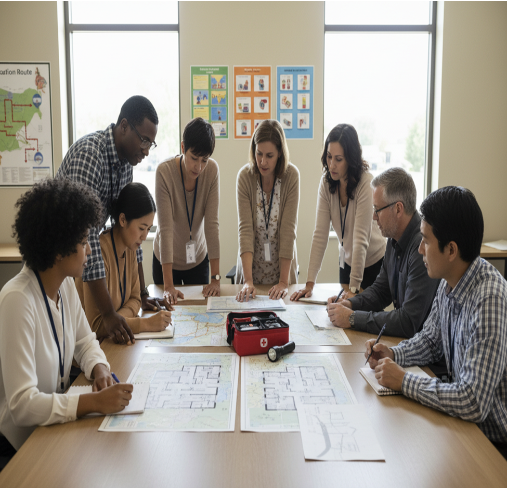
Effective preparedness starts with understanding your risks. Schools should regularly assess potential hazards such as extreme weather, fire, medical emergencies, or intruder incidents. This can be done through safety walks, infrastructure inspections, and reviewing local risk patterns.

Once risks are identified, administrators can develop scenario-specific plans. Prevention also includes building strong relationships with local responders—police, firefighters, and EMTs. Clear contact lists, memorandums of understanding (MOUs), and joint planning meetings ensure faster, more coordinated action when time matters most.

Key preventive steps:

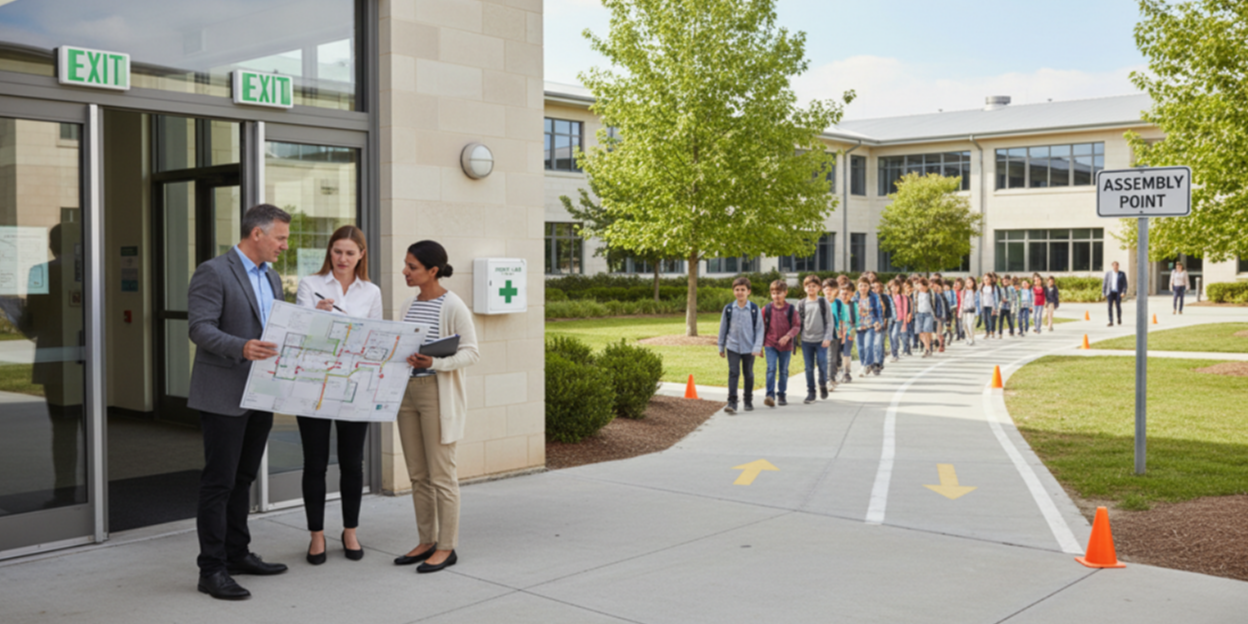
  • Map primary and secondary evacuation routes and clearly mark them.
  • Designate emergency assembly points with visible signage.
  • Establish lockdown and shelter-in-place procedures for different threats.
  • Communicate expectations to all staff, students, and families.

Response: Clear Procedures and Confident Execution

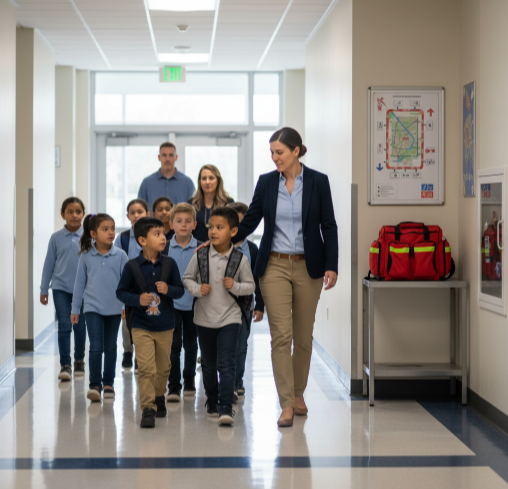
In an emergency, confusion costs time. Well-documented procedures allow staff and students to act quickly and calmly. Written protocols should cover who calls for help, who leads evacuations or lockdowns, and how attendance and reunification with families are managed.

Regular drills are essential. Practicing fire, lockdown, and severe weather drills helps everyone understand their role. These exercises should go beyond simple movement; they should reinforce staying calm, listening to instructions, and supporting peers who may feel anxious.

Best practices for response:

  • Conduct age-appropriate drills that avoid fear while building confidence.
  • Use plain, clear language in announcements and instructions.
  • Review each drill to identify what went well and what needs improvement.

Recovery: Supporting Return to Safety and Normalcy

Emergencies do not end when the immediate threat passes. Recovery focuses on restoring learning environments, repairing infrastructure, and caring for emotional well-being.

Schools should plan ahead for:

  • Rapid assessment and repair of damaged facilities.
  • Access to counseling and psychological first aid for students and staff.
  • Communication with families about what happened, what is being done, and what support is available.

Emotional recovery is as important as physical safety. Providing safe spaces to talk, scheduling check-ins with vulnerable students, and collaborating with mental health professionals all help the community heal.

Continuous Improvement and Community Involvement

Preparedness is not a one-time task. Plans should be reviewed at least annually—or after every major drill or incident. Involving parents, local responders, and community organizations builds shared responsibility and resilience.

By integrating prevention, response, and recovery, schools move from “reacting to emergencies” to building a sustainable safety culture where everyone knows their role in keeping children safe.

Prev Article
Building a Comprehensive Emergency Preparedness Plan for Schools
Next Article
Building Stronger Schools: Enhancing Emergency Preparedness with Training and Resources

Related to this topic:

rocket-icon rocket-icon rocket-icon

Learn What Makes Schools Truly Safe

Receive safety guides, policy updates, and best practices from global experts.

We care about your Personnel Data. Please check Privacy Policy