ESC

What are you looking for?

ESC

What are you looking for?

Shopping cart

Your favorites

You have not yet added any recipe to your favorites list.

Browse recipes

Schedule your 15-minute demo now

We’ll tailor your demo to your immediate needs and answer all your questions. Get ready to see how it works!

0
0
×

School E-Shop

Creating Safer School Washrooms

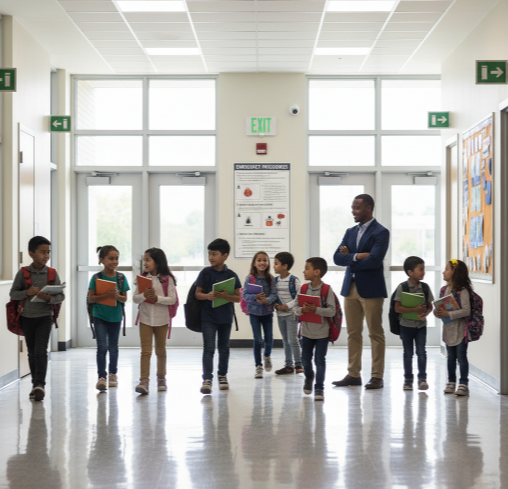
A school’s washrooms are often hotspots for bullying, vandalism, and unsafe behavior if not properly supervised and managed. An effective washroom safety policy protects students while still respecting their privacy and dignity. The goal is not to control students, but to create an environment where they feel safe, supported, and confident using the facilities.

A strong policy begins with an honest assessment of current risks. Schools should collect student feedback through anonymous surveys, suggestion boxes, or student councils to understand real concerns—such as bullying, harassment, or vandalism in specific washrooms. Reviewing past incident reports helps identify patterns, while tracking high‑risk times (breaks, dismissal, after activities) and locations (isolated washrooms, corners of campus) guides where change is needed most.

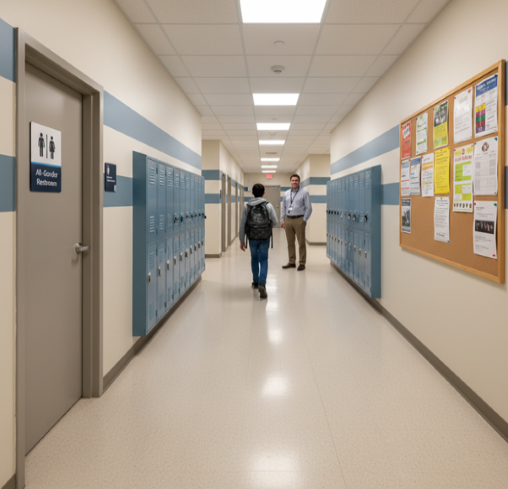
Next, schools must set clear, age‑appropriate guidelines for washroom use. This can include simple rules such as one‑student‑per‑stall, restricting washroom visits during key teaching times, and using hall passes or digital systems to avoid overcrowding and unsupervised gatherings. These rules should be visibly displayed, explained to students, and consistently reinforced by staff in a calm, supportive manner.

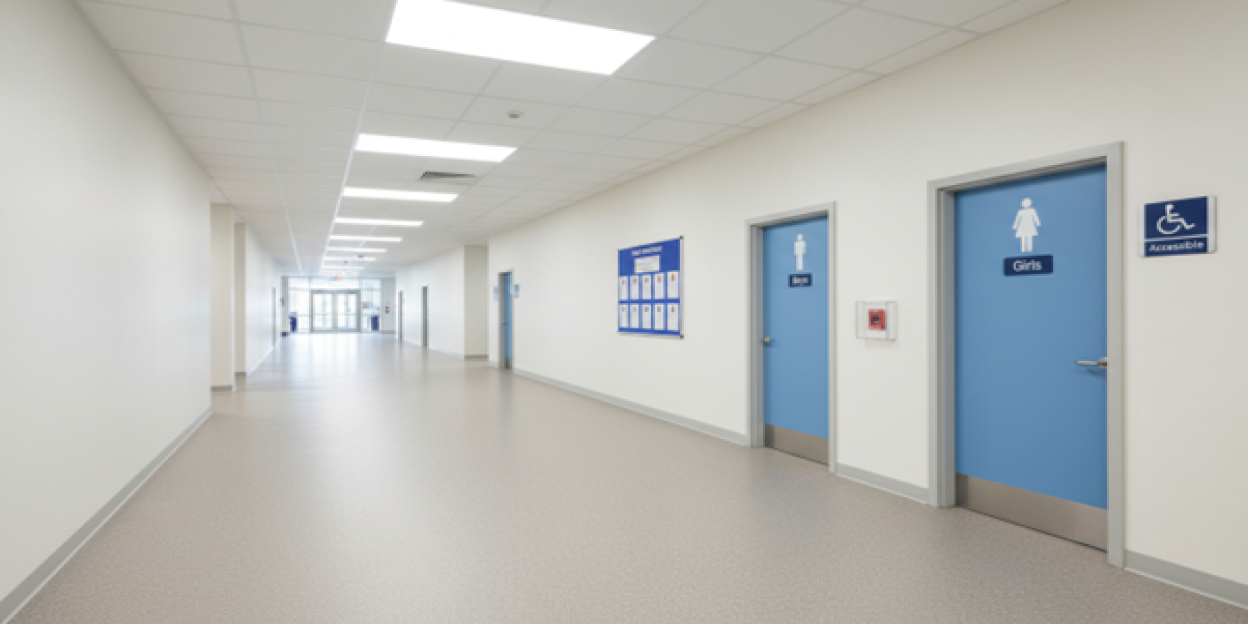
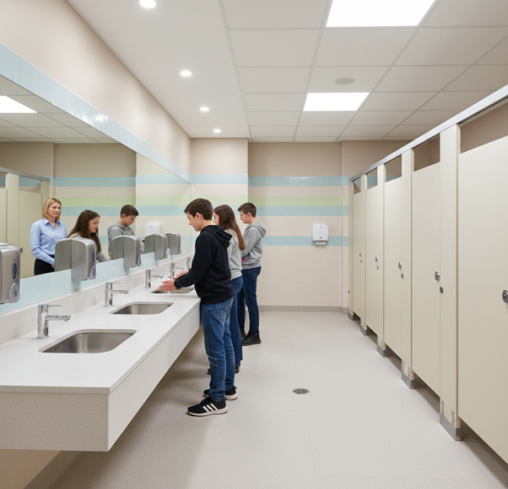
Physical safety measures add another layer of protection. Installing emergency alert buttons in discreet but accessible locations allows students to quickly request help without drawing public attention. Upgrading to bright, even lighting reduces shadows and discourages loitering. Choosing tamper‑proof fixtures, damage‑resistant doors, and easy‑to-clean surfaces lowers vandalism and maintenance issues, keeping spaces clean and usable.

Staff training and student education are essential for any policy to work. Staff should be trained to recognize early warning signs of bullying or misuse around washrooms and respond in a non‑confrontational, trauma‑informed way. Students should receive age‑appropriate lessons on respectful washroom behavior, personal boundaries, hygiene, and when to seek help if they feel unsafe.

Effective policies are never “set and forget.” Schools should conduct bi‑annual reviews of their washroom safety procedures, using data from incident logs, student and staff feedback, and informal observations. Small adjustments—such as changing supervision patterns, improving signage, or refining pass systems—can significantly improve safety and student comfort.

While schools may face challenges like privacy concerns, limited budgets, and student resistance to new rules, these can be managed through transparent communication. Involving students in decision‑making, explaining the purpose behind rules, and prioritizing low‑cost, high‑impact measures help build trust.

Ultimately, a well‑planned washroom safety policy reduces bullying, protects vulnerable students, supports better hygiene, and signals that the school takes student well‑being seriously. Schools that listen, review, and adapt will see washrooms become safer, calmer, and more respectful spaces for every child.

Prev Article
Understanding the Importance of Washroom Safety in Schools
Next Article
Preventing Bullying and Harassment in School Washrooms: Practical Steps for Safer Spaces

Related to this topic:

rocket-icon rocket-icon rocket-icon

Learn What Makes Schools Truly Safe

Receive safety guides, policy updates, and best practices from global experts.

We care about your Personnel Data. Please check Privacy Policy