ESC

What are you looking for?

ESC

What are you looking for?

Shopping cart

Your favorites

You have not yet added any recipe to your favorites list.

Browse recipes

Schedule your 15-minute demo now

We’ll tailor your demo to your immediate needs and answer all your questions. Get ready to see how it works!

0
0
×

School E-Shop

Schools and Student E-Safety

In today’s digital classrooms, learning no longer stops at the school gate. Students research, collaborate, and communicate online—often daily. This brings powerful learning opportunities, but it also exposes children and teens to cyberbullying, online predators, privacy breaches, and harmful content. Schools, therefore, are not just centers of academic learning; they are also key guardians of students’ e-safety.

Children are especially vulnerable to digital risks because they are still developing judgment, impulse control, and emotional resilience. Cyberbullying can follow them home through phones and social media. Inappropriate or explicit content is only a few clicks away. Online predators may use chat, gaming, or social platforms to build trust and exploit young users. Even simple actions like sharing a photo or filling out a form can lead to privacy threats and identity misuse.

To address this, schools must intentionally build a safe digital environment. This starts with strong technical controls: secure networks, updated firewalls, and age-appropriate content filters on all student-access devices. Choosing vetted, education-focused platforms reduces exposure to unsafe websites and anonymous contact.

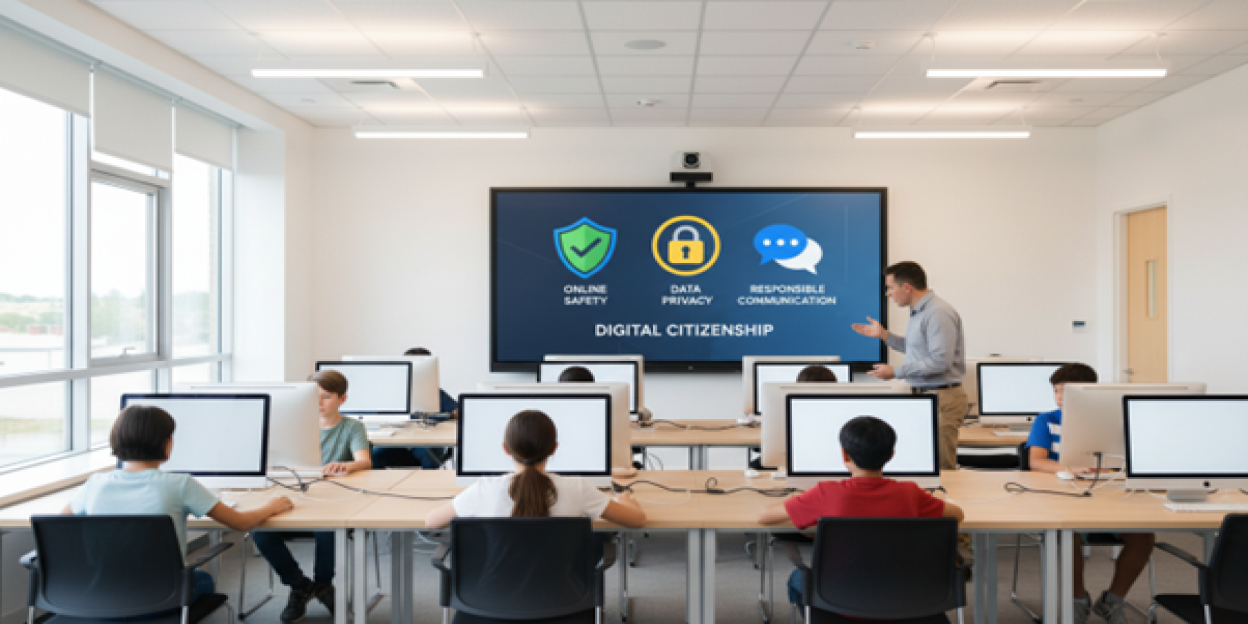
E-safety should also be embedded in the curriculum as “digital citizenship” education, not just a one-time awareness session. Students need to learn how to behave responsibly online, what respectful communication looks like, why oversharing is risky, and how their digital footprint can follow them into the future. Teaching them to question information sources, spot fake profiles, and recognize scams is now as essential as teaching reading and writing.

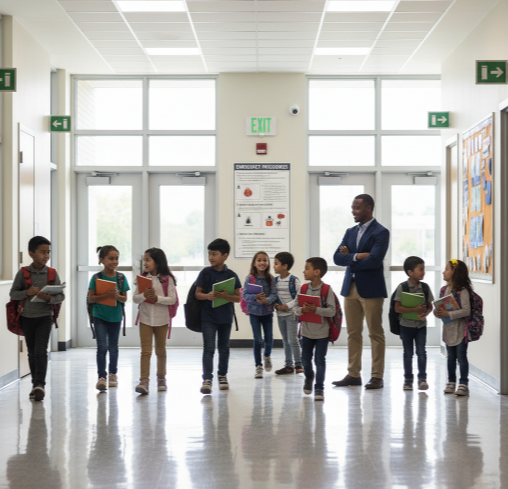
Teachers and staff must be equipped as first responders to online issues. Regular training helps them identify signs of cyberbullying, respond to reports effectively, and use digital tools safely in their own interactions with students. Clear school guidelines on messaging apps, social media, and online communication set boundaries and protect both students and educators.

Parents are vital partners in e-safety. Schools can support families by sharing practical resources, hosting awareness sessions, and encouraging open conversations about screen time, apps, and online behavior at home. When school and home send the same safety messages, students receive consistent guidance.

Finally, a strong support system ensures that when something does go wrong, students are not left to cope alone. Safe reporting channels, trusted adults, peer support programs, and access to counseling help victims of cyberbullying or online harm feel heard and protected.

By combining robust policies, education, monitoring, and family collaboration, schools can act as the first line of defense against online threats—creating a digital environment that enhances learning while keeping students safe, informed, and empowered.

Prev Article
Establishing Effective E Safety Policies in Schools
Next Article
The Hidden Harm of Cyberbullying: How Schools Can Protect Students Online

Related to this topic:

rocket-icon rocket-icon rocket-icon

Learn What Makes Schools Truly Safe

Receive safety guides, policy updates, and best practices from global experts.

We care about your Personnel Data. Please check Privacy Policy