ESC

What are you looking for?

ESC

What are you looking for?

Shopping cart

Your favorites

You have not yet added any recipe to your favorites list.

Browse recipes

Schedule your 15-minute demo now

We’ll tailor your demo to your immediate needs and answer all your questions. Get ready to see how it works!

0
0
×

School E-Shop

Stopping Cyberbullying Before It Spreads

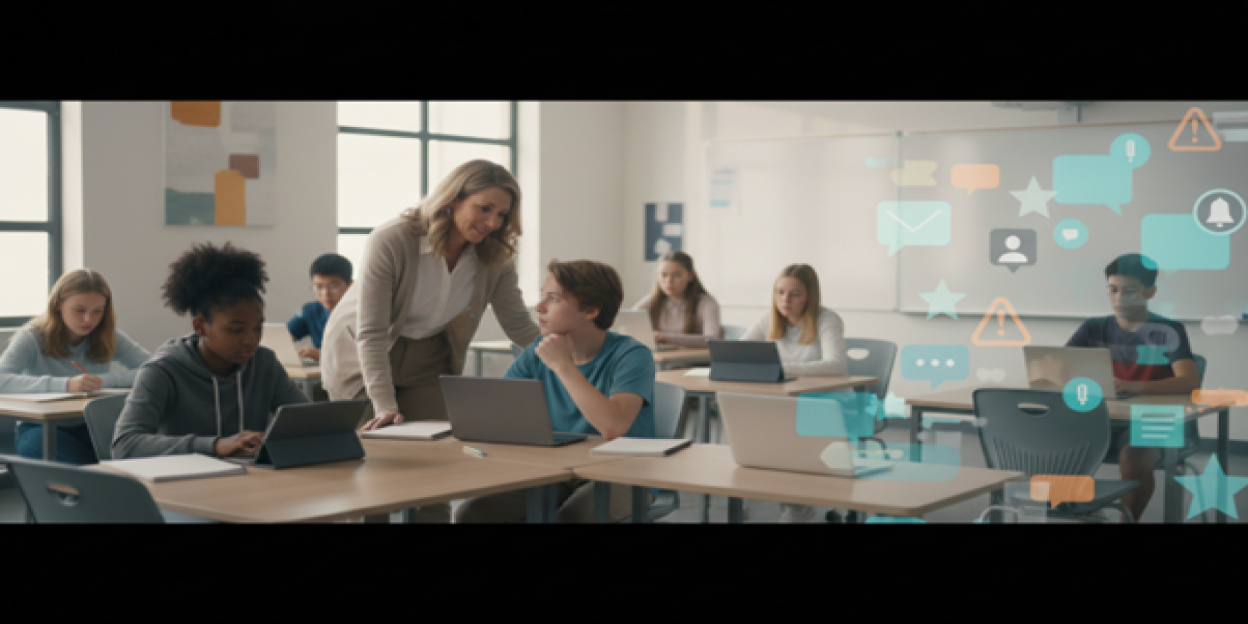
Cyberbullying is no longer limited to a few hurtful messages. It can follow students everywhere—on their phones, in their homes, and late into the night. For schools, this means student safety now extends well beyond classroom walls and into the digital world.

Cyberbullying involves using digital platforms—social media, messaging apps, gaming chats, or email—to harass, threaten, or humiliate someone. It can appear as hate speech targeting a student’s race, gender, religion, or disability; doxxing, where personal information is shared without consent; impersonation through fake accounts; or social exclusion from online groups and chats. Even when “just a joke,” these actions can deeply damage a child’s self-esteem, mental health, and academic focus.

For school leaders, the key is prevention through education, policy, and partnership.

First, schools should educate students about what cyberbullying looks like and why it’s harmful. Age-appropriate workshops, classroom discussions, digital citizenship lessons, and real-life scenarios help students understand that online actions have real consequences. Emphasizing empathy, kindness, and respect in all digital interactions makes it clear that “likes” and “shares” can either hurt or help someone.

Second, schools need clear, visible anti-cyberbullying policies. These should define unacceptable online behaviors, outline consequences, and explain how students can safely report incidents. Policies should cover both school devices and personal devices when behavior affects the school community. Students and parents should receive these guidelines at the start of each year and during orientations.

Third, open communication is essential. Students must feel safe speaking up—whether they are victims, witnesses, or even those who regret their own actions. Training teachers, counselors, and support staff to recognize signs of distress—sudden withdrawal, fear of devices, drop in grades, or changes in peer groups—helps schools intervene early.

Parents are vital partners. Schools can offer guidance sessions that show parents how to spot warning signs, talk to children about online behavior, and use parental controls or monitoring tools appropriately at home. The goal is not surveillance alone, but open dialogue and trust.

When cyberbullying occurs, schools should respond quickly and consistently. This includes documenting reports, supporting the affected student with counseling, involving parents, addressing the behavior of those responsible, and, when needed, coordinating with social media platforms to remove harmful content.

Ultimately, preventing cyberbullying requires a shared commitment from schools, families, and students. By promoting digital responsibility, respectful communication, and timely intervention, schools can significantly reduce cyberbullying and create a safer, more supportive environment—both on campus and online.

Review your school’s cyberbullying policy, staff training, and student education today. Small steps now can prevent serious harm later.

Prev Article
The Crucial Role of Schools in Keeping Students Safe Online
Next Article
Understanding the Importance of Washroom Safety in Schools

Related to this topic:

rocket-icon rocket-icon rocket-icon

Learn What Makes Schools Truly Safe

Receive safety guides, policy updates, and best practices from global experts.

We care about your Personnel Data. Please check Privacy Policy