ESC

What are you looking for?

ESC

What are you looking for?

Shopping cart

Your favorites

You have not yet added any recipe to your favorites list.

Browse recipes

Schedule your 15-minute demo now

We’ll tailor your demo to your immediate needs and answer all your questions. Get ready to see how it works!

0
0
×

School E-Shop

HVAC: The Quiet School Guardian

Maintaining a safe and healthy school environment goes far beyond clean floors and neat classrooms. One of the most powerful—yet often invisible—tools for protecting students and staff is the HVAC system: Heating, Ventilation, and Air Conditioning. When designed and maintained properly, HVAC systems do much more than keep classrooms warm in winter and cool in summer. They directly impact air quality, health, safety, and even academic performance.

Indoor Air Quality: The First Line of Defense

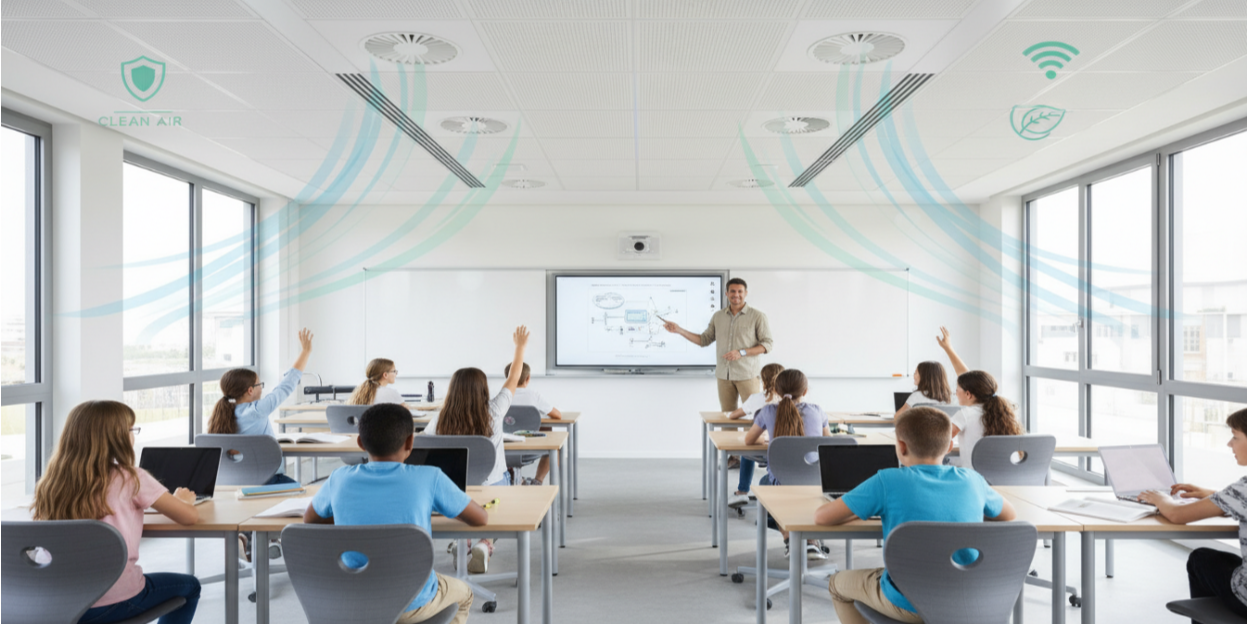
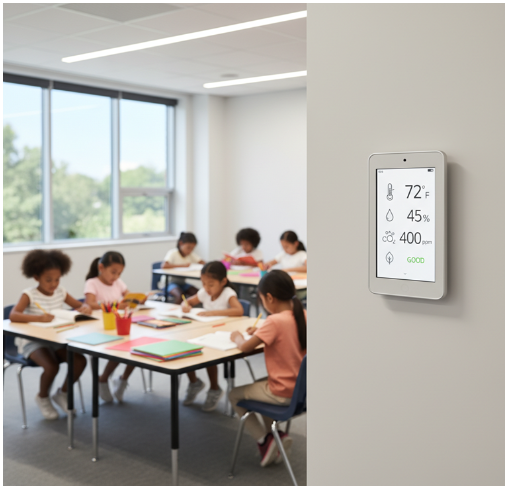
In crowded classrooms, air can quickly become stale and filled with dust, allergens, and microbes. Poor indoor air quality is closely linked to headaches, fatigue, allergies, asthma flare-ups, and respiratory infections. Modern HVAC systems with:

  • High-efficiency filters (e.g., MERV-rated or HEPA where feasible)
  • Adequate fresh air ventilation
  • Proper air circulation and exhaust

help remove pollutants, allergens, and viruses from the air. This became especially clear during the COVID-19 pandemic, when many schools upgraded filtration and ventilation to meet new safety guidelines. Cleaner air means fewer sick days and a healthier learning environment.

Thermal Comfort and Learning Performance

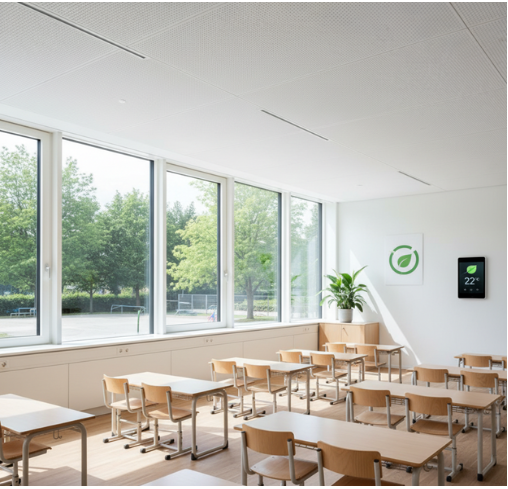
Temperature and humidity are not just comfort issues—they affect concentration and behavior. Classrooms that are too hot, too cold, or too humid can make students drowsy, irritable, or distracted. Well-managed HVAC systems maintain stable temperature and humidity levels, supporting:

  • Better focus and cognitive performance
  • Reduced complaints and disruptions
  • A more positive classroom climate

Simply put, when students feel physically comfortable, they are more ready to learn.

Safety Features Built Into Modern HVAC

Today’s HVAC systems also contribute to school safety in very direct ways. Advanced systems can:

  • Monitor carbon dioxide (CO₂) to prevent stuffy, under-ventilated rooms
  • Detect harmful gases and trigger alarms
  • Support smoke control and extraction during a fire, helping maintain visibility and safer evacuation routes

These features help schools detect problems early and respond quickly during emergencies.

Sustainability and Cost Savings

Energy-efficient HVAC systems use less power while maintaining high air quality and comfort. Schools are increasingly adopting:

  • High-efficiency units
  • Smart controls and sensors
  • Integration with renewable energy sources like solar power

This reduces utility costs and supports environmental goals—without compromising safety or health.

The Importance of Regular Maintenance

Older buildings and outdated systems may require retrofitting or replacement, which can be costly. However, the long-term benefits—fewer illnesses, safer buildings, and lower energy bills—far outweigh the investment. School leaders should:

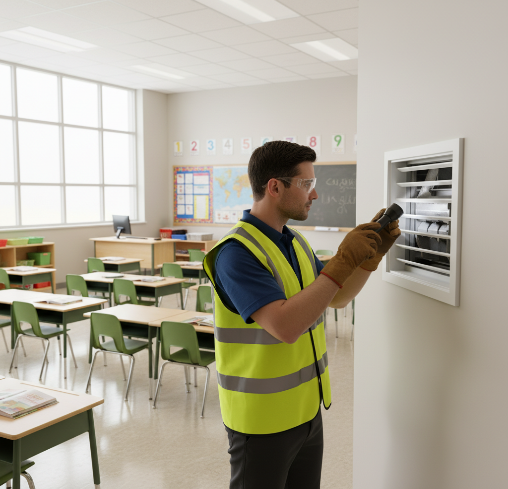
  • Schedule routine inspections and preventive maintenance
  • Replace filters on time
  • Ensure systems meet current ventilation and safety standards

By prioritizing HVAC design, upgrades, and maintenance, schools can quietly but powerfully protect the well-being of every child and adult in the building—and create the healthy foundation that true learning requires.

Next Article
School Safety in 2025: What the Data Says and How Schools Can Respond

Related to this topic:

rocket-icon rocket-icon rocket-icon

Learn What Makes Schools Truly Safe

Receive safety guides, policy updates, and best practices from global experts.

We care about your Personnel Data. Please check Privacy Policy