ESC

What are you looking for?

ESC

What are you looking for?

Shopping cart

Your favorites

You have not yet added any recipe to your favorites list.

Browse recipes

Schedule your 15-minute demo now

We’ll tailor your demo to your immediate needs and answer all your questions. Get ready to see how it works!

0
0
×

School E-Shop

Supervision on the Playground Matters

Playgrounds are where children test their limits, build confidence, and learn social skills. But without proper adult supervision, a fun break can quickly turn into a preventable incident. Supervision is one of the most powerful, low-cost safety tools schools and child care centers have—and it directly shapes how safe and positive the Playground experience is.

Why Supervision Matters

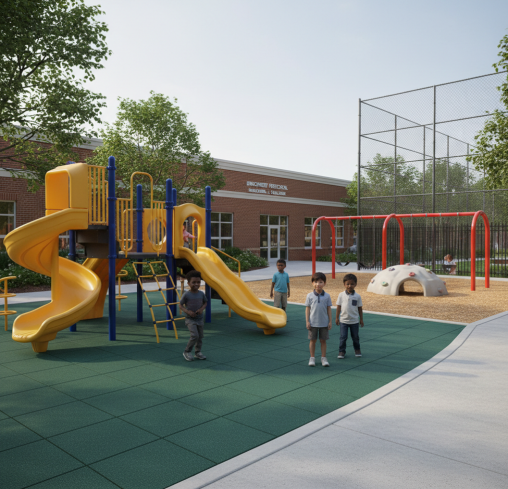
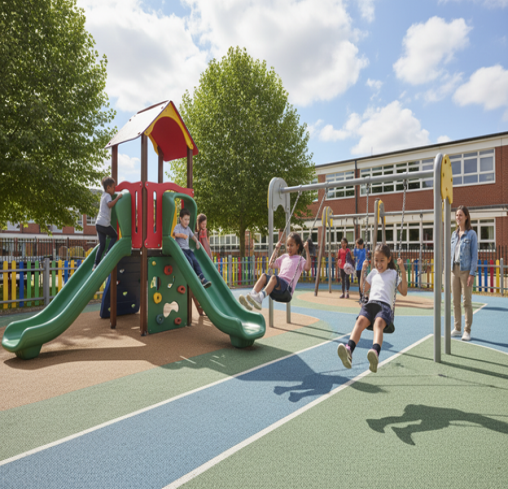
On any Playground, risk is always present: running, climbing, jumping, and group play all increase the chance of falls or conflict. Active supervision reduces this risk by:

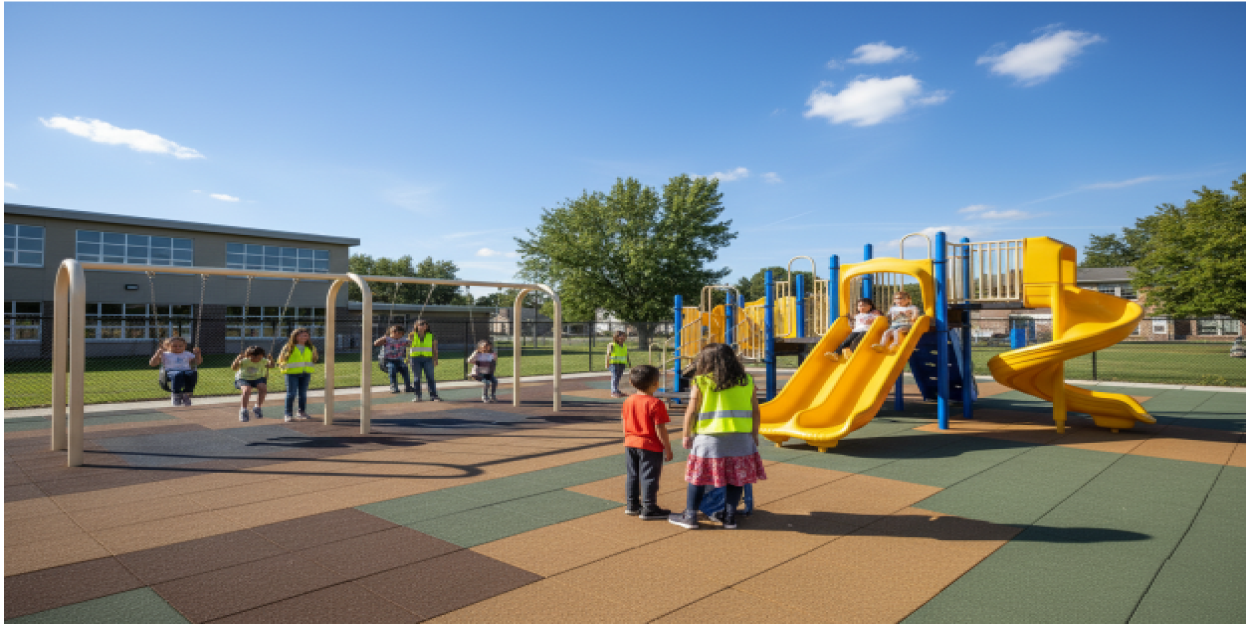
  • Preventing unsafe play: Trained supervisors can quickly redirect children from pushing, overcrowding on equipment, climbing where they shouldn’t, or using equipment in unintended ways.
  • Providing prompt intervention: When a child trips, slips, or collides with another child, immediate adult response can prevent minor injuries from becoming serious and ensure first aid is given quickly.
  • Building safe habits: Adults can model and reinforce rules such as “one at a time on the slide,” “feet first,” and “no running near swings,” turning every recess into a live safety lesson.

In short, supervision is not just about watching—it’s about guiding.

Best Practices for Effective Supervision

To make Playground supervision truly effective, schools and centers should move beyond informal “watching” and adopt structured practices:

  1. Designate Supervisors
    Assign specific staff members for each recess or outdoor session. Clearly define who is responsible for which area, and ensure adequate adult-to-child ratios based on age and risk level.
  2. Position Strategically
    Supervisors should stand where they can see the maximum area, not clustered together. Use a “zone” system so every part of the Playground—slides, swings, climbing frames, open space—is covered with minimal blind spots.
  3. Use a Simple Checklist
    Before and during play, staff should quickly scan for hazards: loose bolts, broken or hot surfaces, wet or slippery areas, debris, or overcrowded zones. A short, repeatable checklist makes safety checks consistent, not optional.
  4. Engage with Children
    Supervisors shouldn’t be passive observers. By greeting children, kneeling to their level, and maintaining friendly eye contact, adults build trust. Children are then more likely to report hazards, bullying, or feeling unsafe.

Creating Safer Play, Every Day

When supervision is intentional—staff are trained, positioned well, and actively engaged—Playgrounds become safer, calmer, and more inclusive. Schools and child care centers that invest in strong supervision practices drastically reduce preventable injuries and create outdoor spaces where children can explore, take age-appropriate risks, and feel protected.

Review your current Playground supervision plan this week. Are roles clear, zones covered, and staff trained to actively engage—not just watch? Strengthening supervision today can prevent tomorrow’s accidents and build a culture of safety on your Playground.

Prev Article
Why Impact-Absorbing Surfaces Matter in Every Playground
Next Article
Educating Students on Playground Safety Turning Play into Safe Play

Related to this topic:

rocket-icon rocket-icon rocket-icon

Learn What Makes Schools Truly Safe

Receive safety guides, policy updates, and best practices from global experts.

We care about your Personnel Data. Please check Privacy Policy