ESC

What are you looking for?

ESC

What are you looking for?

Shopping cart

Your favorites

You have not yet added any recipe to your favorites list.

Browse recipes

Schedule your 15-minute demo now

We’ll tailor your demo to your immediate needs and answer all your questions. Get ready to see how it works!

0
0
×

School E-Shop

Must-Have School Pool Safety Gear

School swimming pools are fantastic spaces for learning, fitness, and fun—but only when safety is treated as a non‑negotiable priority. The right equipment not only helps prevent accidents but also ensures staff can respond quickly and effectively when something goes wrong.

1. Lifeguard Essentials

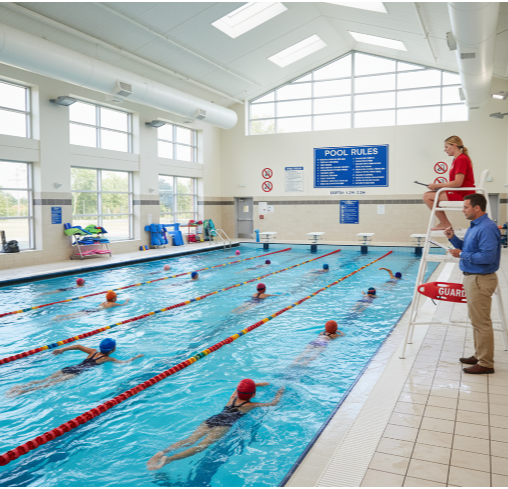
Lifeguards are the first and most critical layer of protection. They must be equipped with:

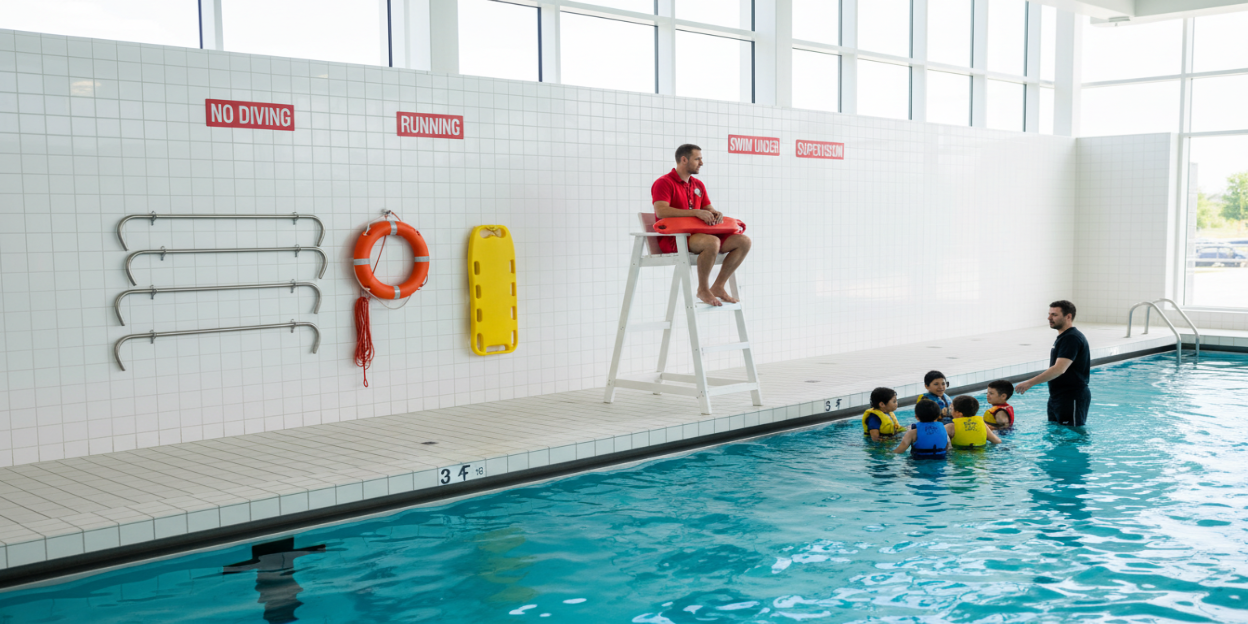
  • Whistles for instant attention and crowd control during emergencies or rule enforcement.
  • Rescue tubes and flotation devices so they can safely reach and support a distressed swimmer without putting themselves at risk.
  • Well-stocked first aid kits containing bandages, antiseptic wipes, gloves, and CPR masks, placed in clearly marked, easily accessible locations near the pool.

Schools should train lifeguards and designated staff on how and when to use each item and conduct regular emergency drills.

2. Life Jackets and Floats

Not every child will be a confident swimmer—and that’s okay. Safety planning must account for non-swimmers and beginners:

  • Use U.S. Coast Guard–approved life jackets for swimming lessons, beginners, and special needs students.
  • Provide floats and buoyancy aids to build confidence while still requiring close supervision.
  • Stock multiple sizes so that equipment fits children of different ages and body types properly.

Ill-fitting or poor‑quality flotation devices can create a false sense of security, so quality and fit checks are essential.

3. Emergency Equipment

When seconds matter, having the right tools within arm’s reach can save a life:

  • Rescue hooks (shepherd’s crooks) to quickly pull a struggling swimmer to safety without entering the water.
  • Spinal boards for safely immobilizing and removing a swimmer when a head, neck, or back injury is suspected.
  • A dedicated emergency phone line or two-way communication system to contact the school office and emergency services immediately.

This equipment should be mounted in visible, unobstructed locations and included in staff training.

4. Signage and Markers

Clear visual cues prevent many accidents before they happen:

  • Depth markers on pool edges and walls to show exactly where shallow and deep areas begin.
  • “No Diving” signs in all shallow zones to reduce the risk of head and spinal injuries.
  • Behavioral reminders such as “No Running,” “No Pushing,” and “Swim Under Supervision.”

Simple, bold signage helps children remember and respect pool rules.

5. Maintenance of Equipment

Safety equipment is only effective if it works when needed:

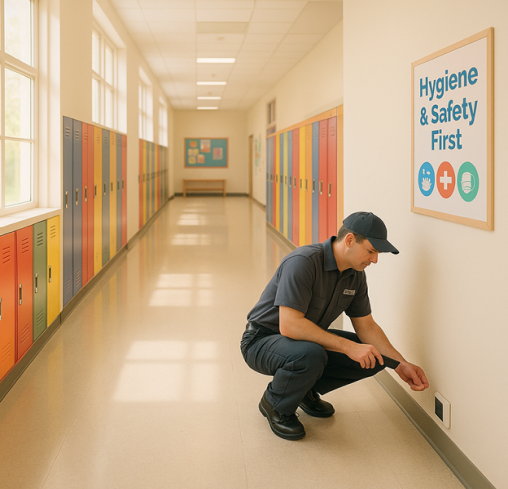
  • Schedule regular inspections of life jackets, rescue tools, first aid kits, and communication systems.
  • Replace damaged, expired, or outdated items immediately.
  • Keep a maintenance checklist and assign responsibility to a specific staff member or safety coordinator.


Review your school’s pool today. Is every item on this list present, visible, and functional? If not, start prioritizing these upgrades now—because well-equipped pools are safer pools.

Prev Article
Long-Term Benefits of a Comprehensive School Pest Management Policy
Next Article
Training Lifeguards and Supervisors: The Heart of School Pool Safety

Related to this topic:

rocket-icon rocket-icon rocket-icon

Learn What Makes Schools Truly Safe

Receive safety guides, policy updates, and best practices from global experts.

We care about your Personnel Data. Please check Privacy Policy