ESC

What are you looking for?

ESC

What are you looking for?

Shopping cart

Your favorites

You have not yet added any recipe to your favorites list.

Browse recipes

Schedule your 15-minute demo now

We’ll tailor your demo to your immediate needs and answer all your questions. Get ready to see how it works!

0
0
×

School E-Shop

Designing Safer School Swimming Pools

A well-designed swimming pool can be a powerful learning and enjoyment space for children—but only if safety is built into every detail. For schools and child care centers, the layout, materials, and features around the pool are just as important as supervision and swimming skills. Thoughtful design reduces risk, supports staff, and creates a calm, child-friendly environment.

1. Secure Fencing and Gates

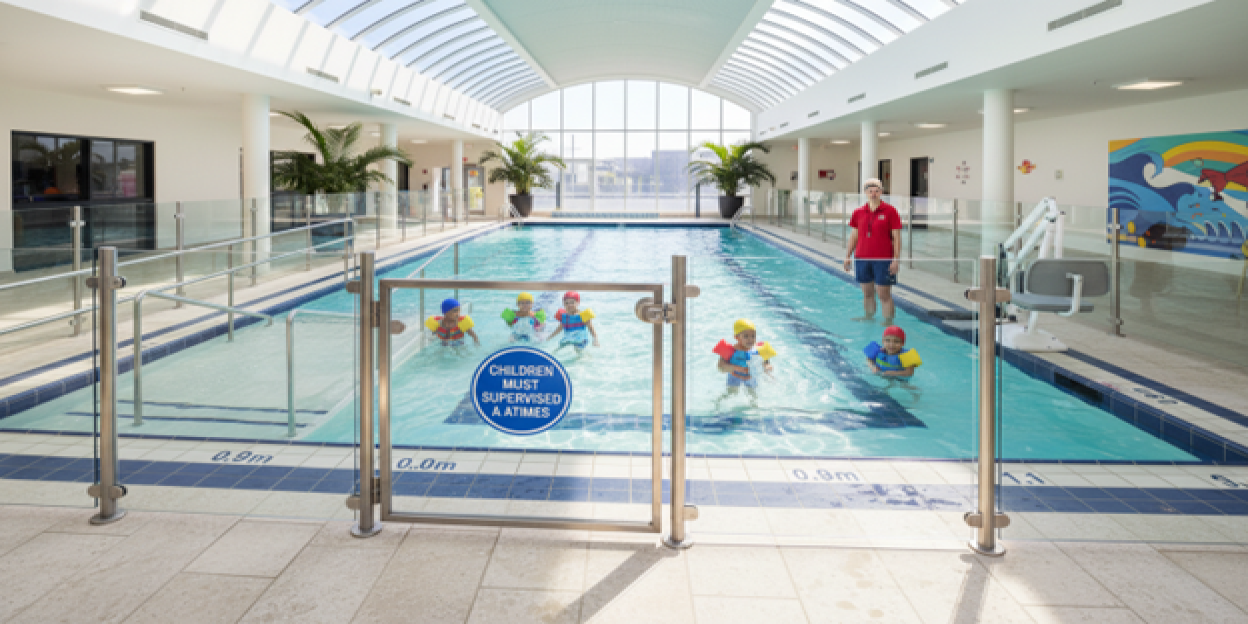
Every school pool should be fully enclosed with strong, climb-resistant fencing. Self-closing, self-latching gates are essential to prevent children from wandering in unsupervised. Gate latches should be:

  • Positioned high enough to be out of reach of young children
  • Designed to close and latch automatically
  • Clearly signposted with “No Entry Without Adult” or similar messages

This physical barrier is one of the most effective ways to prevent accidental access and potential drownings.

2. Non-Slip Surfaces Around the Pool

Wet surfaces and running children are a high-risk combination. Using non-slip tiles or textured flooring around:

  • Pool decks
  • Locker rooms
  • Showers and changing areas

significantly reduces slips and falls. When selecting materials, schools should look for flooring with certified slip-resistance, especially when wet, and ensure regular cleaning so that algae, soap, or debris don’t reduce grip.

3. Safe and Effective Lighting

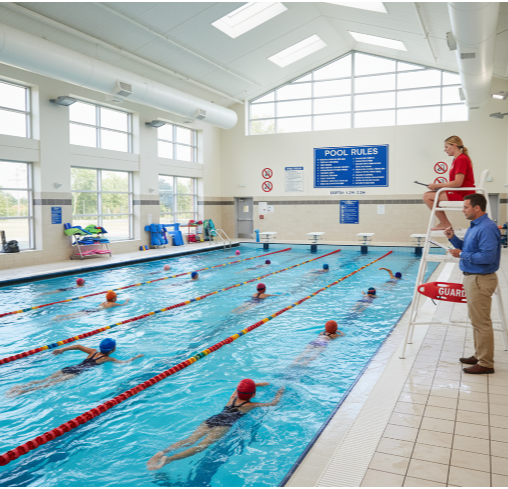
Good lighting supports both safety and supervision. Bright, even lighting:

  • Improves visibility of swimmers in all areas of the pool
  • Reduces shadowed corners where hazards can go unnoticed
  • Supports CCTV coverage where installed

LED lighting is a practical choice: it’s energy-efficient, long-lasting, and can be positioned to avoid glare on the water surface, helping lifeguards and teachers clearly see beneath the water.

4. Shallow Zones and Graduated Depths

Designing pools with gradual depth changes makes them more suitable for children at different swimming levels. Clearly marked shallow zones:

  • Give beginners and young children a safe space to practice
  • Help build confidence before moving to deeper areas
  • Allow teachers to separate groups by ability

Depth markings on pool edges and walls should be large, clear, and easy to understand.

5. Accessibility Features for All Students

Inclusive pool design ensures that students with disabilities can participate safely in swimming activities. Key features include:

  • Ramps with non-slip surfaces and sturdy handrails
  • Pool lifts where needed
  • Wide, clutter-free walkways for mobility aids

These elements support legal accessibility requirements and communicate a strong message: every child deserves safe access to water-based learning.

Prev Article
Training Lifeguards and Supervisors: The Heart of School Pool Safety
Next Article
Educating Students on Water Safety: A Preventative School Approach

Related to this topic:

rocket-icon rocket-icon rocket-icon

Learn What Makes Schools Truly Safe

Receive safety guides, policy updates, and best practices from global experts.

We care about your Personnel Data. Please check Privacy Policy