ESC

What are you looking for?

ESC

What are you looking for?

Shopping cart

Your favorites

You have not yet added any recipe to your favorites list.

Browse recipes

Schedule your 15-minute demo now

We’ll tailor your demo to your immediate needs and answer all your questions. Get ready to see how it works!

0
0
×

School E-Shop

Safe Swimming Pool Maintenance Guide

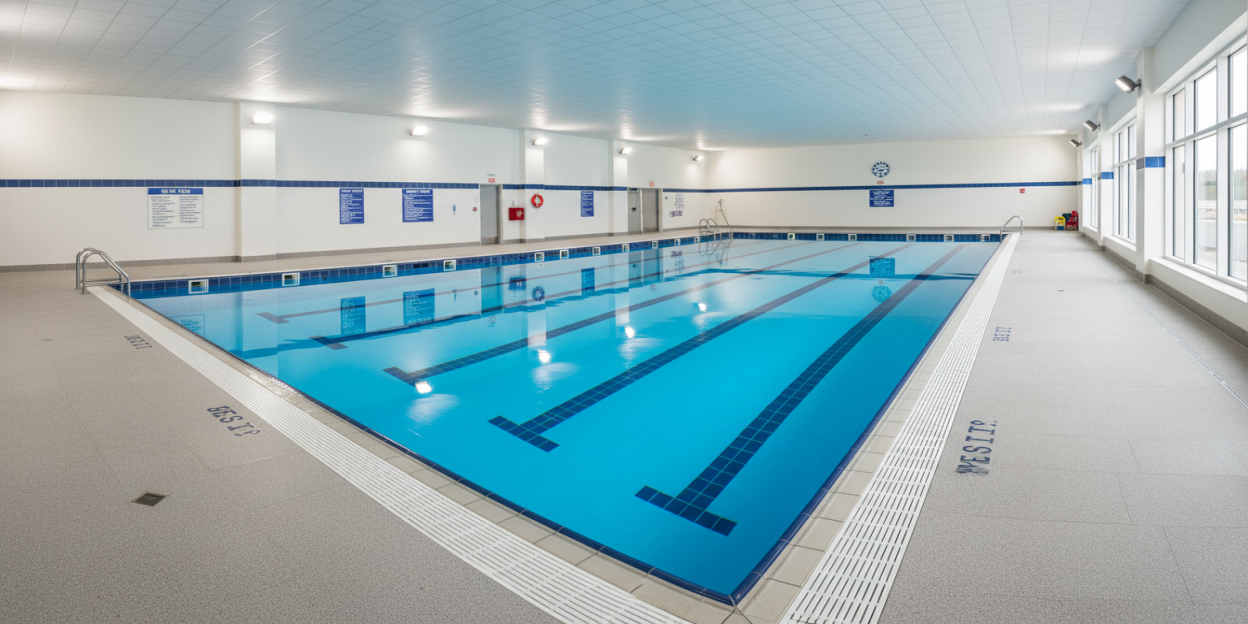
A school swimming pool is a valuable asset—but only when it is safe, clean, and properly maintained. Poor upkeep can quickly turn a learning resource into a health and safety risk. With clear systems and regular checks, schools can ensure their pools remain safe, hygienic, and ready for use all year round.

1. Water Quality Testing

Water testing is non-negotiable. Maintaining the correct pH and disinfectant levels helps prevent the growth of harmful bacteria and algae, reduces eye and skin irritation, and keeps the water clear.

  • Test water at least once daily when the pool is in use, more often during heavy use or hot weather.
  • Keep pH within the recommended range (usually around 7.2–7.8 as per local guidelines).
  • Ensure chlorine or other approved disinfectant levels are within safe, effective limits.
  • Use reliable digital or reagent-based testing kits and keep a logbook of all readings and corrective actions.

2. Pool Cleaning Protocols

A clean pool is critical not just for appearance, but for safety and hygiene.

  • Establish a daily, weekly, and monthly cleaning schedule.
  • Skim the surface for leaves and debris before each use.
  • Vacuum the pool floor regularly to remove settled dirt.
  • Brush and scrub pool walls, steps, and corners to prevent algae buildup.
  • Consider using automated pool cleaners to support staff and maintain consistency, especially in larger pools.

3. Equipment Inspections

Behind every safe pool is a well-functioning system of filters, pumps, and drains.

  • Inspect pumps, filters, skimmers, and drainage covers routinely.
  • Check for unusual noises, reduced water flow, or visible damage.
  • Ensure drain covers are firmly secured and compliant with anti-entrapment standards.
  • Train designated staff to recognize early signs of mechanical issues.

4. Repair and Renovation

Small defects can quickly become big hazards if ignored.

  • Repair cracked tiles, sharp edges, or broken grouting immediately.
  • Tighten or replace loose handrails, ladders, and starting blocks.
  • Ensure pool covers and reels operate smoothly and safely.
  • Schedule periodic refurbishment of surfaces and equipment based on age and usage.

5. Scheduled Audits and Compliance

Independent and internal reviews help keep standards high.

  • Arrange periodic safety and compliance audits by qualified professionals.
  • Review adherence to local health, safety, and building regulations.
  • Use audit findings to update procedures, staff training, and maintenance plans.
  • Keep all documentation—logs, inspection records, and repair reports—organized and accessible.

Make Maintenance a Culture, Not a Task

Consistent maintenance is the backbone of swimming pool safety. When schools prioritize water quality, cleaning routines, equipment checks, timely repairs, and regular audits, they protect students from preventable incidents and extend the life of their facilities.

Encourage your leadership team to treat pool maintenance as a core safety function—on par with fire safety and Playground supervision—to ensure a secure, enjoyable swimming experience for every child.

Prev Article
Educating Students on Water Safety: A Preventative School Approach
Next Article
Comprehensive Gangs Policy Keeping Schools Safe, Prepared, and Supportive

Related to this topic:

rocket-icon rocket-icon rocket-icon

Learn What Makes Schools Truly Safe

Receive safety guides, policy updates, and best practices from global experts.

We care about your Personnel Data. Please check Privacy Policy