ESC

What are you looking for?

ESC

What are you looking for?

Shopping cart

Your favorites

You have not yet added any recipe to your favorites list.

Browse recipes

Schedule your 15-minute demo now

We’ll tailor your demo to your immediate needs and answer all your questions. Get ready to see how it works!

0
0
×

School E-Shop

Fire Safety for School Exhibitions

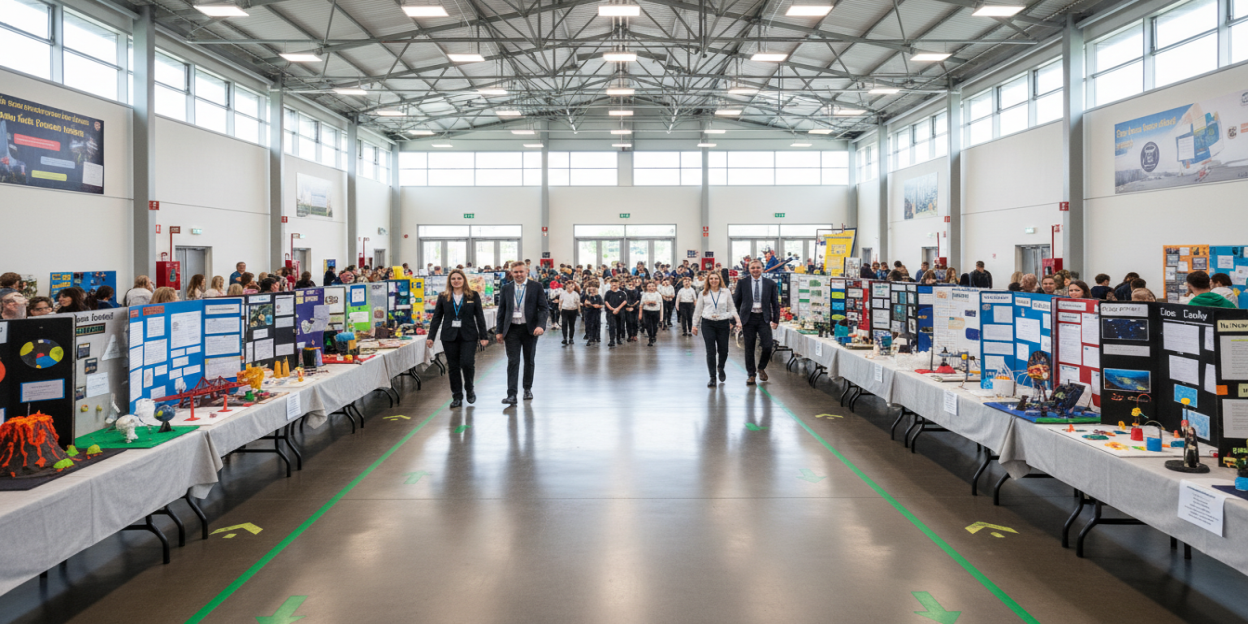
School exhibitions bring together students, teachers, and parents in large numbers, often in enclosed spaces filled with electrical equipment, decorations, and temporary setups. This makes fire safety and evacuation planning a non‑negotiable part of event management.

Fire Safety Equipment: Ready, Visible, and Working

Schools must ensure that essential fire safety equipment is installed and fully functional before the exhibition begins. This includes:

  • Fire extinguishers placed at strategic points—near entrances, electrical panels, and high‑load display areas.
  • Smoke detectors and fire alarms that are tested in advance to confirm they trigger correctly and can be heard clearly across the venue.

Key practices:

  • Schedule regular maintenance and inspections by certified professionals.
  • Keep extinguishers and alarm points unobstructed and clearly visible—no posters, charts, or display boards should block them.
  • Brief staff on basic extinguisher use (only if it is safe and they are trained).

Evacuation Planning: Everyone Knows Where to Go

An evacuation plan should be simple, visible, and practiced.

Core elements:

  • Clearly marked fire exits with illuminated signage and no furniture or stalls blocking the way.
  • Designated escape routes mapped in advance, with copies posted at entrances and key spots throughout the exhibition area.
  • Assign roles—floor wardens, teachers responsible for specific classes, and a central coordinator.

Schools should conduct regular fire drills with students and staff, including at least one drill before major events. This helps:

  • Students understand which exit to use.
  • Staff practice guiding crowds calmly.
  • Organizers identify and fix bottlenecks or confusion points.

Fire Hazard Prevention: Reduce the Risk Before It Starts

Preventing fire is easier and safer than responding to one. During exhibition planning:

  • Avoid overloading electrical outlets with multiple high‑load devices on a single extension cord. Use only certified equipment.
  • Prohibit open flames and flammable materials such as candles, diyas, loose paper decorations near lights, or chemical demonstrations without proper supervision and safety gear.
  • Ensure trained personnel oversee fire safety compliance, checking stalls for unsafe wiring, blocked exits, or risky displays.

Why It Matters

In a crowded exhibition, even a small fire or alarm can cause panic. Clear procedures, visible equipment, and trained adults turn potential chaos into an orderly, quick evacuation. This protects children, reassures parents, and demonstrates that the school takes safety seriously.

Before your next school exhibition, review your fire safety equipment, update your evacuation plan, and brief your staff and students. A few hours of preparation can prevent tragedy and ensure every school event is not just successful—but safe for everyone.

Prev Article
Visitor Screening & Security Checks for Safe School Exhibitions
Next Article
Defining Bullying and Its Impact on School Safety

Related to this topic:

rocket-icon rocket-icon rocket-icon

Learn What Makes Schools Truly Safe

Receive safety guides, policy updates, and best practices from global experts.

We care about your Personnel Data. Please check Privacy Policy